How to Automate Link Building With an AI Backlink Outreach Agent
ai backlink outreach agent
Link building takes time.
It requires research, writing, follow-ups, and careful tracking.
As outreach volume grows, most teams struggle to keep everything organized and consistent.
Opportunities slip through the cracks. Results become unpredictable.
This guide explains how an ai backlink outreach agent changes that.
You’ll learn how automation streamlines prospecting, personalization, and follow-ups.
So you can build a structured system that earns backlinks without chaos.
Why Manual Link Building Breaks at Scale
Manual outreach works when you contact 10–20 websites per week.
But once you try to reach hundreds, the system starts breaking down.
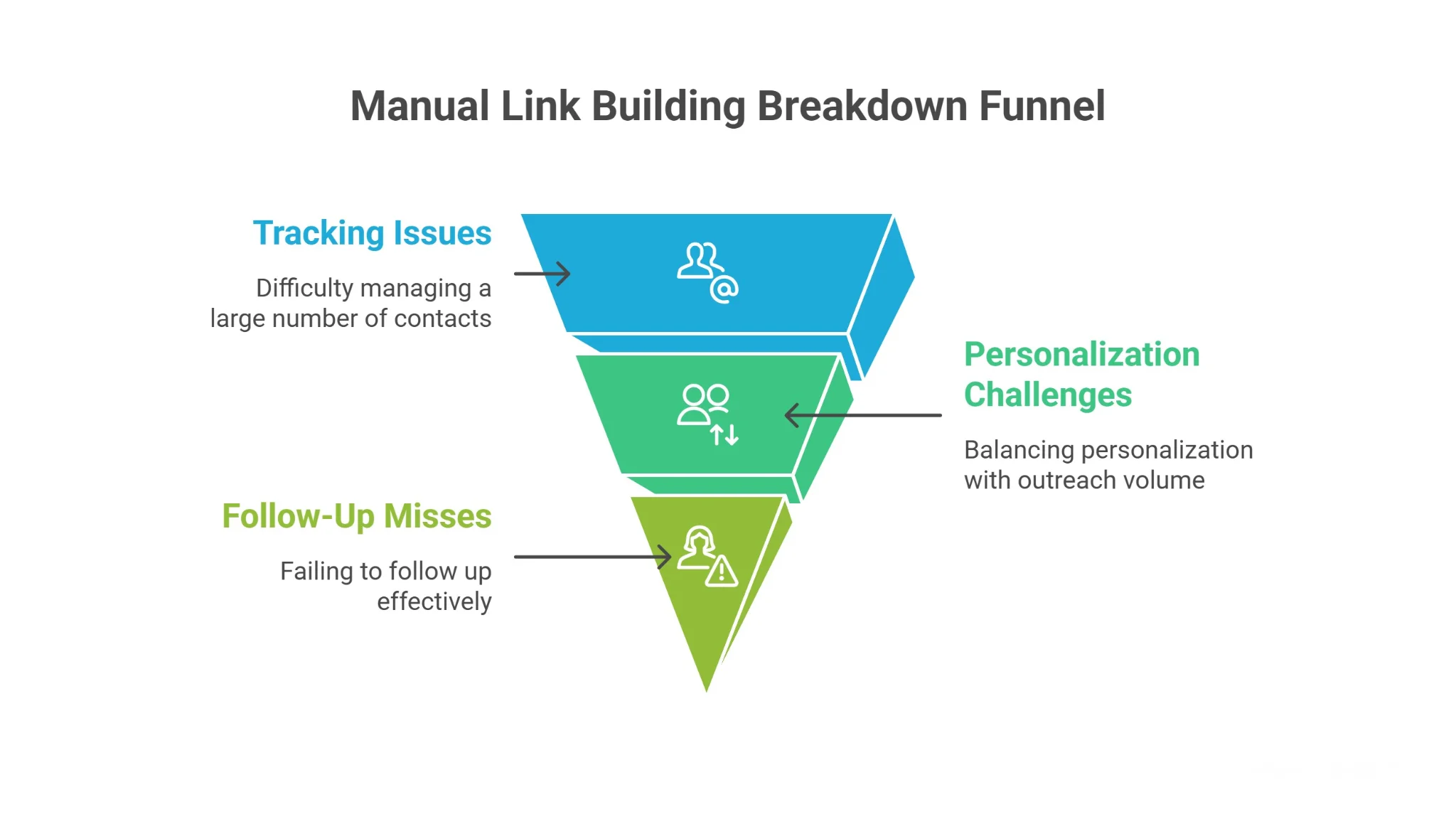
Tracking becomes messy. Personalization slows output. Follow-ups get missed.
What once felt manageable turns into scattered spreadsheets and lost conversations.
That’s where most link building efforts quietly stall.
The Time Problem in Backlink Outreach
Prospecting alone can take hours of focused effort.
You search Google, analyze domains, and check traffic relevance manually.
Then you write emails. Then you track replies.
Multiply that by 200 prospects and it becomes unrealistic for one person to manage consistently without burnout.
Personalization vs Volume Conflict
Personalized emails always get better replies.
They show effort, relevance, and real intent.
But personalization takes time and mental focus.
As outreach volume increases, quality usually drops unless you slow everything down.
Most teams end up choosing one of two paths:
- Send generic bulk emails that feel templated and easy to ignore
- Reduce outreach volume to protect personalization
Neither option supports consistent growth.
One damages reply rates.
The other limits momentum.
That tension is exactly where manual link building starts to break.
Follow-Ups Are Where Most Links Happen
Most backlinks don’t come from the first email.
They happen on the second or third touch.
Manual systems often miss follow-ups completely. Spreadsheets get outdated and reminders fail silently.
Opportunities disappear simply because timing wasn’t managed properly.
That’s why scaling manually eventually becomes unstable and inconsistent.
What an AI Backlink Outreach Agent Actually Does
Automation does not mean blasting emails to hundreds of websites.
It means building a structured system that works the same way every time.
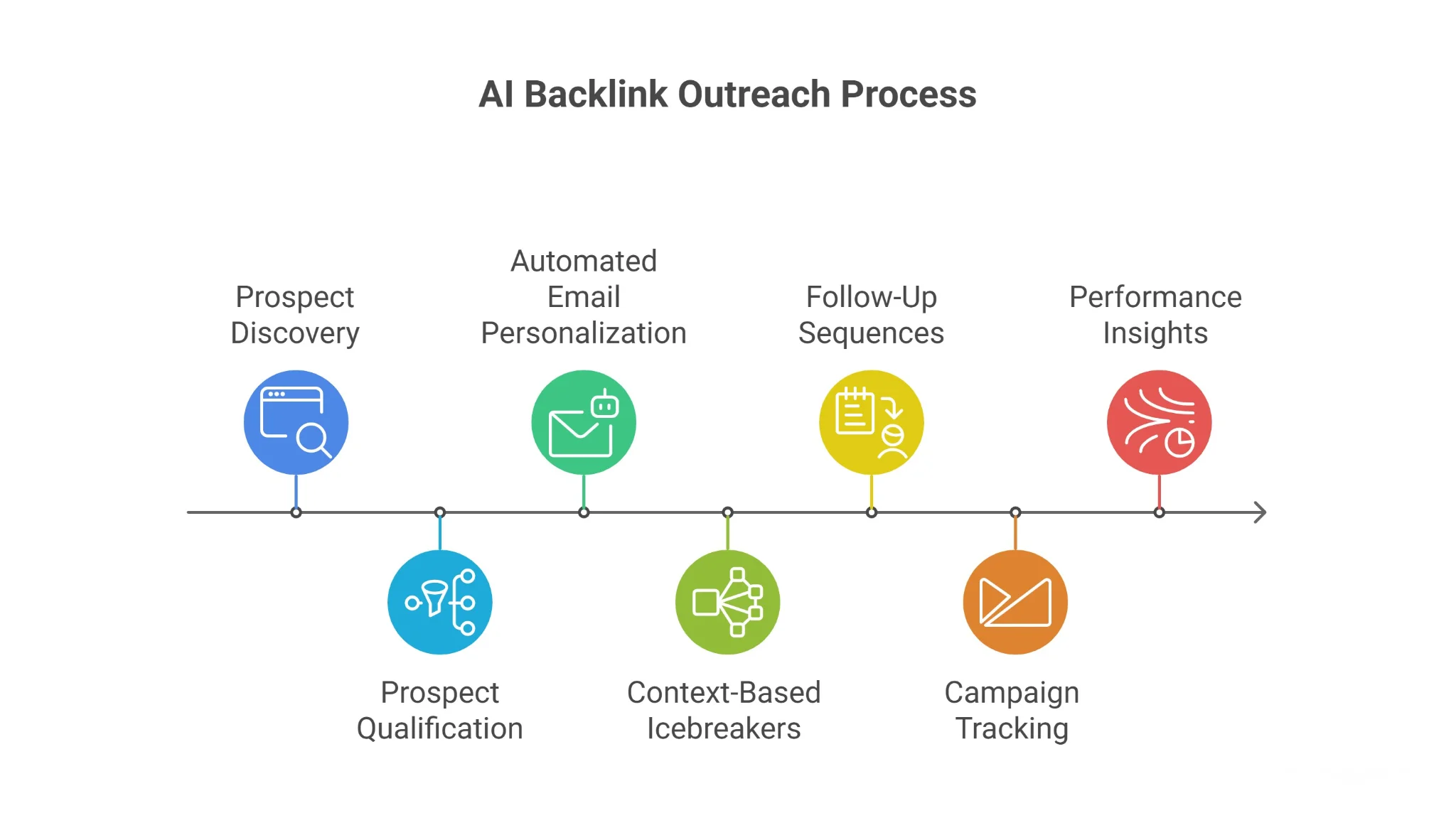
An AI agent handles discovery, filtering, personalization, timing, and tracking inside one controlled workflow.
Instead of juggling spreadsheets and reminders, everything runs in sequence.
The goal is consistency and relevance.
Not mass sending.
Prospect Discovery and Qualification
Instead of manually searching for websites, the system identifies relevant domains automatically.
It scans based on niche, content relevance, and authority signals before outreach even begins.
Unqualified or irrelevant sites are filtered out early.
This protects your time and keeps campaigns focused on realistic backlink opportunities.
Automated Email Personalization
Instead of relying on static templates, AI drafts context-aware emails dynamically.
It reads the prospect’s website content and understands topic alignment.
The message reflects their niche, tone, and publishing style naturally.
That level of relevance increases replies without sacrificing outreach volume.
Context-Based Icebreakers
The system can reference specific details from the prospect’s website, such as:
- A recent blog post
- A broken link opportunity
- A related resource on your site
These small contextual signals build credibility fast.
And credibility directly improves response rates.
Follow-Up Sequences and Timing Control
Follow-ups are scheduled automatically within a structured cadence.
Timing remains consistent across every prospect in your campaign.
No reminders get missed. No spreadsheets need updating.
Each follow-up triggers exactly when it should, keeping opportunities active without manual tracking.
Campaign Tracking and Performance Insights
The system tracks performance signals that directly reflect outreach effectiveness.
Key metrics include:
- Reply rate
- Positive responses
These numbers show which campaigns generate real interest and which need adjustment.
With clear visibility, you can refine targeting, improve messaging, and optimize timing strategically for better backlink results.
Step-by-Step: How to Automate Link Building Using Oppora
Manual link building quickly becomes slow and disorganized.
You collect websites, search for emails, send messages, track replies, and still miss follow-ups. That repetition drains time and breaks consistency.
Automation removes that friction.
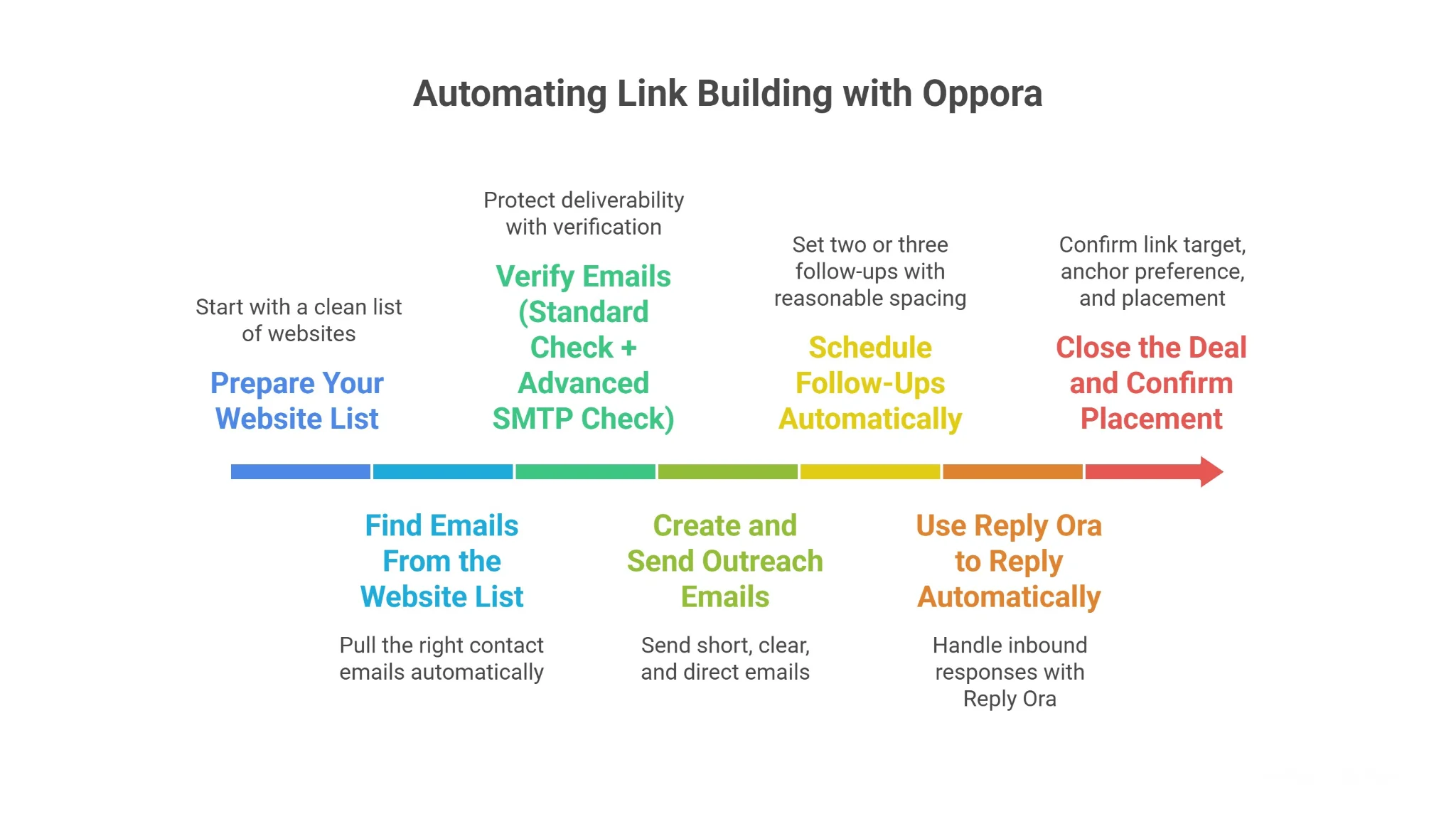
With Oppora, the workflow stays structured and simple: website list → find emails → verify (Standard or Advanced SMTP) → send → follow up → Reply Ora auto-replies → close.
Step 1 – Prepare Your Website List
Start with a clean list of websites you want backlinks from.
Choose sites that match your niche and consistently publish real, relevant content. Remove anything outdated, irrelevant, or low quality before moving forward.
Oppora uses this list as the foundation for everything that follows.
If your list is focused, email discovery and outreach stay aligned.
Strong input always produces stronger backlink results.
Step 2 – Find Emails From the Website List
Now pull the right contact emails from those websites.
Focus on people who can actually approve a backlink request. If you’re unsure, start with editorial or marketing contacts who manage content decisions.
Oppora finds emails directly from your website list automatically.
You avoid manual searching and messy spreadsheets.
This is where serious time savings begin.
Step 3 – Verify Emails (Standard Check + Advanced SMTP Check)
Before sending anything, verify every email address.
Verification protects deliverability.
Bounces hurt sender reputation and reduce future inbox placement.
Use the right mode based on your campaign goal:
- Standard Check → when you need speed and quick validation
- Advanced (SMTP) Check → when accuracy matters more and you want fewer bounces
Oppora supports both verification modes.
So you can choose the right balance for each campaign and keep your sending clean.
Step 4 – Create and Send Outreach Emails
Keep your emails short, clear, and direct.
State why you’re reaching out, which page you want linked, and what value the other site gains. Avoid long explanations or complicated framing.
Once your list and verified contacts are ready, Oppora sends emails consistently.
No manual tracking. No scattered drafts.
Clean targeting combined with simple messaging increases reply rates.
Step 5 – Schedule Follow-Ups Automatically
Most people won’t reply to the first email.
Set two or three follow-ups with reasonable spacing between each touchpoint. Avoid daily chasing. A calm, structured cadence works better and feels professional.
Oppora schedules follow-ups automatically across your campaign.
You don’t track reminders manually.
Follow-ups often drive the majority of replies.
Step 6 – Use Reply Ora to Reply Automatically
When replies arrive, you don’t want to manage every message manually.
Reply Ora handles inbound responses based on your campaign goal and conversation context. It keeps discussions moving without delay.
It can:
- Respond instantly from your inbox
- Qualify interest automatically
- Handle common objections
- Share links or resources when needed
That’s the difference between sending automation and full outreach automation.
Step 7 – Close the Deal and Confirm Placement
When someone agrees, keep the process simple and structured.
Confirm the exact link target, anchor preference if required, and placement timeline clearly. Then document the live URL once it’s published.
Use a simple closing checklist:
- Confirm page URL
- Confirm anchor text
- Verify live placement
- Move prospect to “won”
Oppora keeps closing inside the same workflow.
So scaling feels natural, not chaotic.
Common Mistakes in Automated Backlink Outreach
Automation improves efficiency.
But poor execution can still damage deliverability, reputation, and long-term results.
The goal is controlled scale, not aggressive sending.
Without proper targeting and pacing, automation simply amplifies mistakes.
If your filtering is weak or volume grows too fast, reply rates drop quickly.
Smart automation protects quality first.
Scale should always follow stability.
Sending Too Many Emails Too Fast
Rapid scaling harms your sender reputation faster than you expect.
Inbox placement drops quietly before you even notice performance decline.
Replies decrease because emails start landing in spam folders.
Domain trust weakens with every bounce or ignored send.
Increase volume gradually and monitor performance before scaling further.
Ignoring Relevance
Irrelevant outreach damages credibility immediately.
If your content doesn’t align with the prospect’s audience, backlinks won’t happen.
Even well-written emails fail when targeting is weak.
Volume cannot fix poor fit.
Filtering must stay strict so every outreach feels contextually aligned and purposeful.
Over-Automation Without Human Review
Automation supports your strategy, but it doesn’t replace judgment.
Occasional human review protects campaign quality and brand tone.
Check live placements to confirm context and positioning.
Review email tone regularly to avoid sounding robotic.
Adjust targeting when performance signals start shifting.
Measuring Success and Scaling Smartly
Automation only works when results are measurable and reviewed consistently.
Growth should feel stable and controlled, not rushed or unpredictable.
Instead of tracking every minor metric, focus on signals that affect link quality and sustainability directly.
Reply rates, placement quality, and inbox health matter most.
When performance stays consistent, then you scale gradually with confidence.
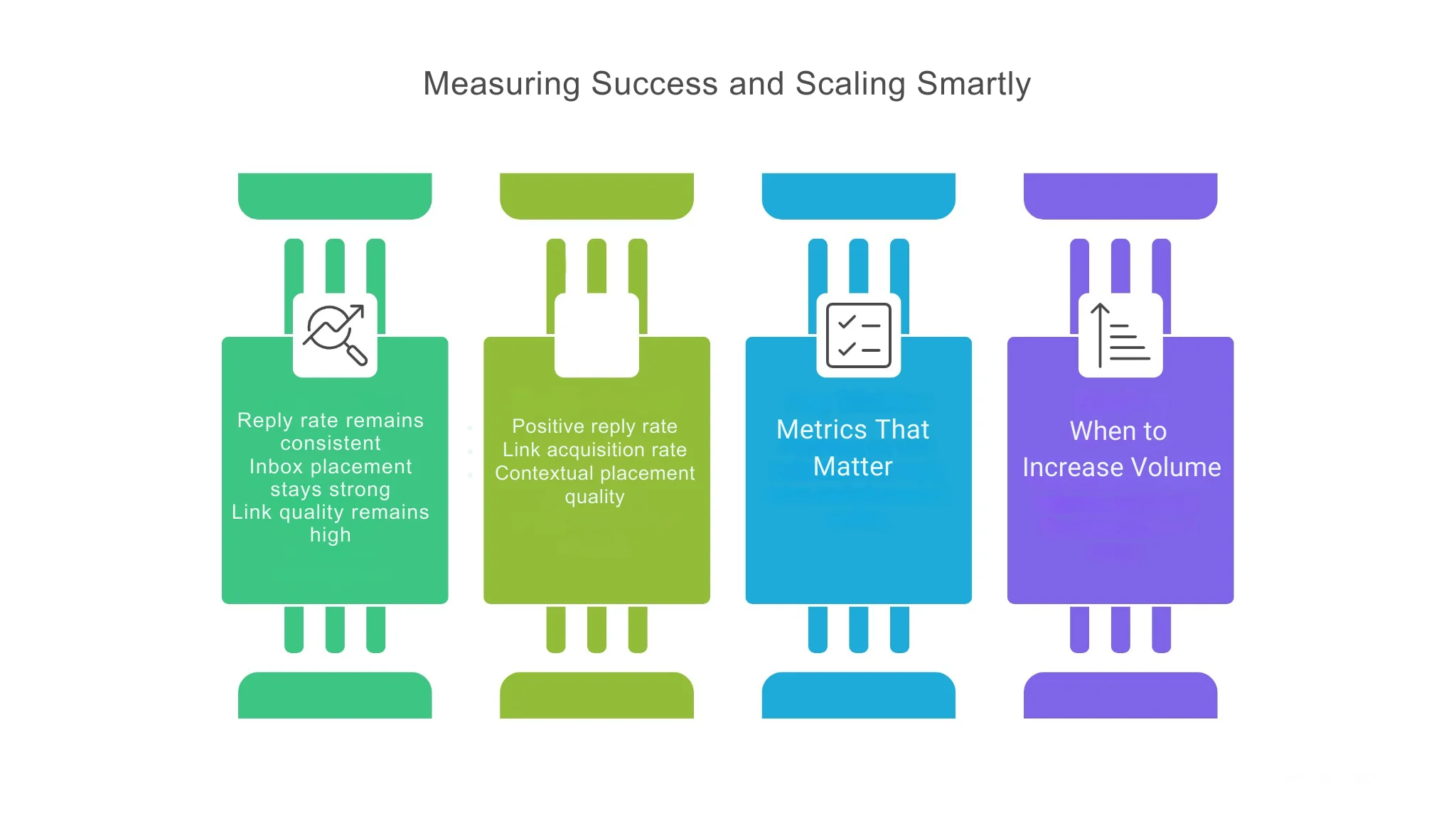
Metrics That Matter
Focus on metrics that directly reflect campaign health and targeting accuracy.
Prioritize:
- Positive reply rate
- Link acquisition rate
- Contextual placement quality
These indicators reveal whether your messaging resonates and whether your filtering is strong.
Strong metrics mean your system is aligned and sustainable.
When to Increase Volume
Increase outreach volume only when your foundation is stable.
Scale when:
- Reply rate remains consistent
- Inbox placement stays strong
- Link quality remains high
If these signals hold steady over time, you can expand safely.
Scaling too early creates instability.
Gradual growth protects long-term performance.
Conclusion
Link building does not need to feel chaotic or unpredictable.
With the right structure, outreach becomes controlled and repeatable.
An ai backlink outreach agent reduces manual workload, protects deliverability, and organizes every step inside one system.
When filtering stays strict and scaling remains gradual, backlink acquisition turns predictable.
Instead of random wins, you build consistent growth over time.
Frequently Asked Questions (FAQs)
Is an AI backlink outreach agent suitable for beginners?
Yes. If you understand your niche and who you want links from, automation handles the repetitive work. You still guide the strategy, but the system manages prospecting, emails, and follow-ups consistently.
How many emails should I send per day?
Start small. Gradually increase volume while monitoring reply rate and inbox placement. Controlled scaling protects your domain and keeps outreach sustainable.
What if prospects don’t reply after follow-ups?
Move on. Not every website will respond. Focus on improving targeting and message clarity instead of sending more reminders. Quality outreach always outperforms aggressive persistence.
Can automation replace relationship building?
No. Automation starts conversations efficiently, but real relationships grow from relevance and value. Strong content and respectful communication still matter most.
Do I need separate tools besides an AI outreach system?
Not necessarily. A structured system handles discovery, verification, sending, and tracking in one workflow. That reduces tool overload and keeps your link building process organized.