11 B2B Sales Tools Every Team Needs for Smarter Selling
sales tools for b2b, best b2b sales tools

Most sales teams don’t struggle with effort, they struggle with scattered workflows and disconnected systems. You might be using multiple b2b sales tools, but they don’t always help you sell faster.
Instead of driving growth, these tools create friction and constant context switching. That’s why choosing the right sales tools for b2b is about building one connected system.
When your tools align, your workflow feels smoother and your outreach becomes more consistent. This is where the best b2b sales tools simplify execution instead of adding complexity.
In this guide, you’ll explore key tool categories and how to evaluate them. You’ll also see which tools actually help you sell smarter without slowing you down.
Types of B2B Sales Tools
Now that you know why tools matter, the next step is understanding what types of tools actually exist. Each category solves a specific problem, and together they shape your complete sales workflow.
Prospecting and lead generation tools
These tools help you discover potential customers based on filters like industry, role, or company size. Instead of guessing, you build targeted lead lists that improve your chances of closing deals.
- Find companies and decision-makers faster
- Filter leads based on ICP criteria
- Build high-quality prospect lists
Outreach and email automation tools
Once you have leads, you need to reach out consistently without manual effort. These b2b sales tools help automate emails, follow-ups, and sequences while keeping communication personalized.
- Send cold emails at scale
- Automate follow-ups on cold email and sequences
- Personalize outreach without manual work
CRM and pipeline management tools
CRMs act as your central system to track deals, conversations, and progress. They help you stay organized and ensure no opportunity slips through the cracks.
- Track deals across pipeline stages
- Manage contacts and interactions
- Maintain visibility across your sales funnel
Meeting scheduling and calendar tools
Scheduling tools simplify the process of booking meetings with prospects. They remove back-and-forth emails and let prospects choose a time that works for them.
- Share booking links with prospects
- Sync calendars automatically
- Reduce scheduling friction
Sales call and conversation intelligence tools
These tools help you analyze sales calls and improve performance over time. You can identify patterns, understand objections, and refine your messaging.
- Record and transcribe calls
- Analyze conversations for insights
- Improve team coaching and performance
Demo creation and product showcase tools
Demo tools make it easier to present your product without long explanations. They allow prospects to explore your product through guided experiences.
- Create interactive product demos
- Showcase features visually
- Improve product understanding
Customer support and helpdesk tools
Support tools help you manage conversations after initial outreach. They ensure you maintain strong relationships and provide timely assistance.
- Handle customer queries efficiently
- Track support tickets and issues
- Improve overall customer experience
Internal communication and collaboration tools
Sales teams need constant alignment to move deals forward efficiently. These tools ensure smooth communication and faster decision-making across your team.
- Share updates and deal context
- Collaborate across teams
- Keep everyone aligned in real time
Factors We Evaluated to Curate This List
Choosing the right B2B sales tools isn’t just about features. It’s about how well a tool fits into your workflow and increases B2B sales.
To curate this list, we focused on factors that directly impact usability, performance, and scalability. These are the criteria that matter most when building a modern sales stack.
Ease of Use and Setup
A tool should be easy to understand and quick to implement. Complex setups slow teams down and reduce adoption.
We prioritized tools that:
- Have clean and intuitive interfaces
- Require minimal technical setup
- Allow teams to get started quickly
Simple tools help teams focus on selling instead of learning software.
Data Quality and Accuracy
Sales performance depends heavily on data quality. Poor or outdated data leads to wasted outreach and low conversion rates.
We evaluated tools based on:
- Accuracy of contact and company data
- Frequency of data updates
- Depth of enrichment details
High-quality data ensures you reach the right people.
Automation and AI Capabilities
Modern sales tools should reduce manual work. Automation and AI help teams scale without increasing effort.
We looked for tools that:
- Automate repetitive sales tasks
- Use AI for personalization and insights
- Improve efficiency across the workflow
Strong automation allows teams to do more with less.
Deliverability and Outreach Performance
Sending emails is easy, but landing in the inbox is not. Deliverability plays a major role in outreach success.
We considered tools that:
- Help maintain sender reputation
- Optimize email sending behavior
- Improve open and reply rates
Better deliverability leads to better results.
Integration with Existing Sales Stack
Sales teams already use multiple tools. New tools should integrate smoothly instead of creating silos.
We prioritized tools that:
- Integrate with CRMs and email platforms
- Sync data across systems
- Fit into existing workflows
Good integration keeps your sales stack connected.
Scalability for Growing Teams
A tool should grow with your business. What works for a small team should still work at scale.
We evaluated whether tools:
- Support higher volumes of data and outreach
- Work for both small and large teams
- Maintain performance as usage increases
Scalable tools prevent the need for constant switching later.
11 B2B Sales Tools Every Team Needs for Smarter Selling
Now that you know the categories, let’s look at tools that actually improve how you sell daily. The goal isn’t stacking more b2b sales tools, but choosing ones that simplify your workflow.
Oppora.ai — End-to-end sales automation (prospecting to outreach)
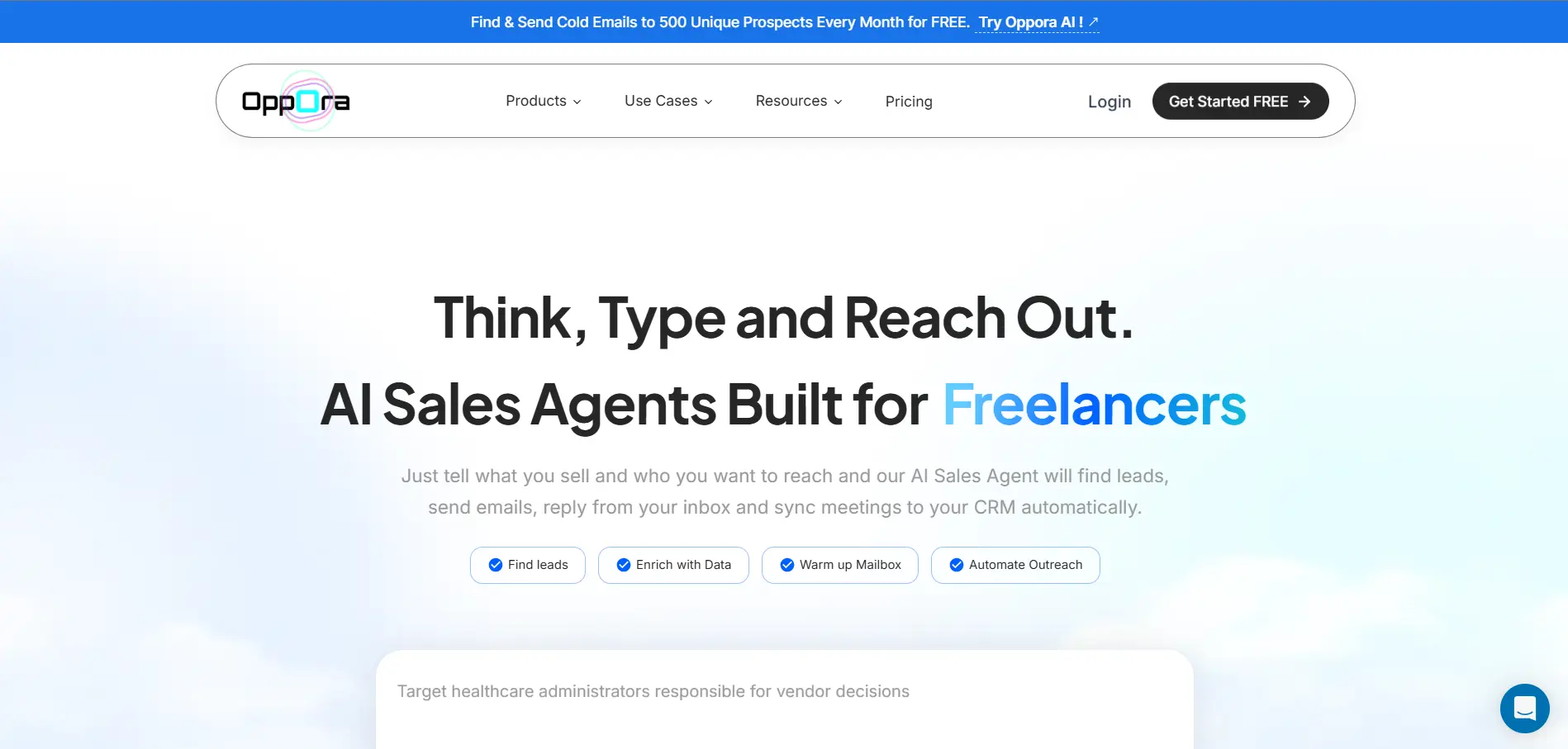
Oppora.ai is an all-in-one platform that connects lead generation, outreach, and follow-ups into one continuous workflow. Instead of managing multiple b2b sales tools, you build your system once and let AI agents execute everything automatically.
Key Features:
Data & Lead Generation
- 700M+ B2B contact database to help you find decision-makers faster
- Advanced filtering based on role, industry, company size, and location
- AI-driven lead discovery to match your ideal customer profile
Data Enrichment & Accuracy
- Automatically enrich leads with missing company and contact details
- Combine multiple data sources to improve accuracy
- Clean and organize lists before outreach begins
Email Intelligence
- Built-in email discovery and email verification to reduce bounce rates
- Helps maintain better deliverability across campaigns
Automation & AI Workflows
- Create workflows that automate prospecting and outreach steps
- AI reply agent handles replies, lead qualification, and meeting coordination
Outreach Scaling
- Manage multiple inboxes and rotate sending to scale safely
- Maintain consistency without harming sender reputation
CRM & Integrations
- Sync contacts, conversations, and pipeline data with your CRM
- Keep your entire sales process updated without manual work
Why it stands out:
Unlike most b2b sales tools that handle only one part of the process, Oppora brings everything into one workflow. This helps you move faster, reduce tool overload, and focus more on closing deals instead of managing systems.
Heyreach — LinkedIn outreach and multichannel prospecting
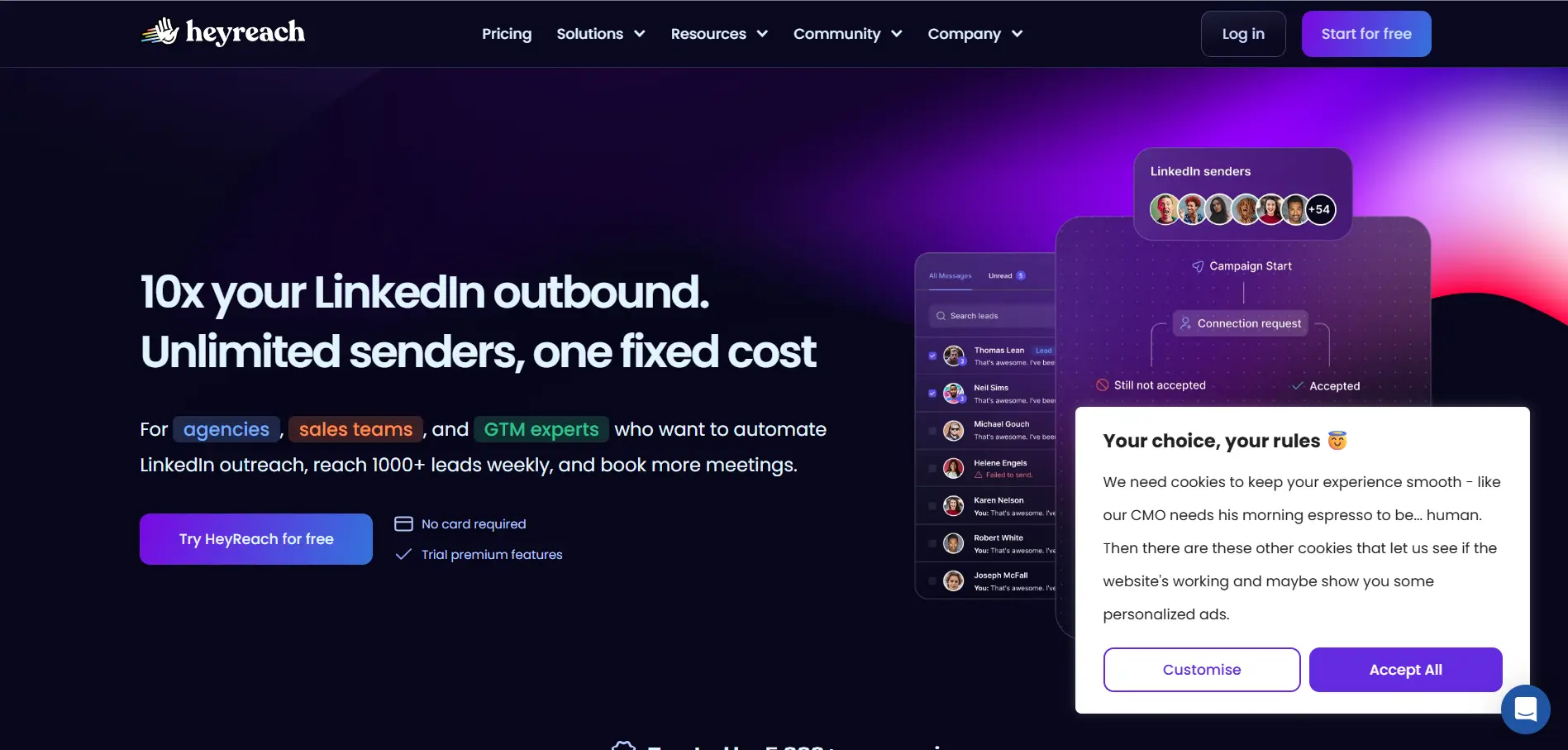
Heyreach is built for teams that rely heavily on LinkedIn for outbound. It helps you scale outreach across multiple accounts while keeping activity safe and structured.
Key Features:
LinkedIn Automation
- Automate connection requests and follow-ups across 100+ prospects daily
- Run sequences with multi-step LinkedIn actions
- Personalize messages without manual effort
Multi-Account Management
- Manage multiple LinkedIn accounts from one dashboard
- Distribute activity to avoid account restrictions
- Scale outreach without increasing risk
Multichannel Prospecting
- Combine LinkedIn with email workflows for better reach
- Create multi-channel campaigns in one place
- Maintain consistent messaging across channels
Campaign Control & Tracking
- Track outreach performance and response rates
- Manage campaigns with structured workflows
- Optimize based on engagement data
Why it stands out: Most sales tools for b2b treat LinkedIn as an add-on, but Heyreach is built specifically for it. This makes it a strong choice if your pipeline depends heavily on LinkedIn outreach.
Supademo — Interactive product demos and walkthroughs
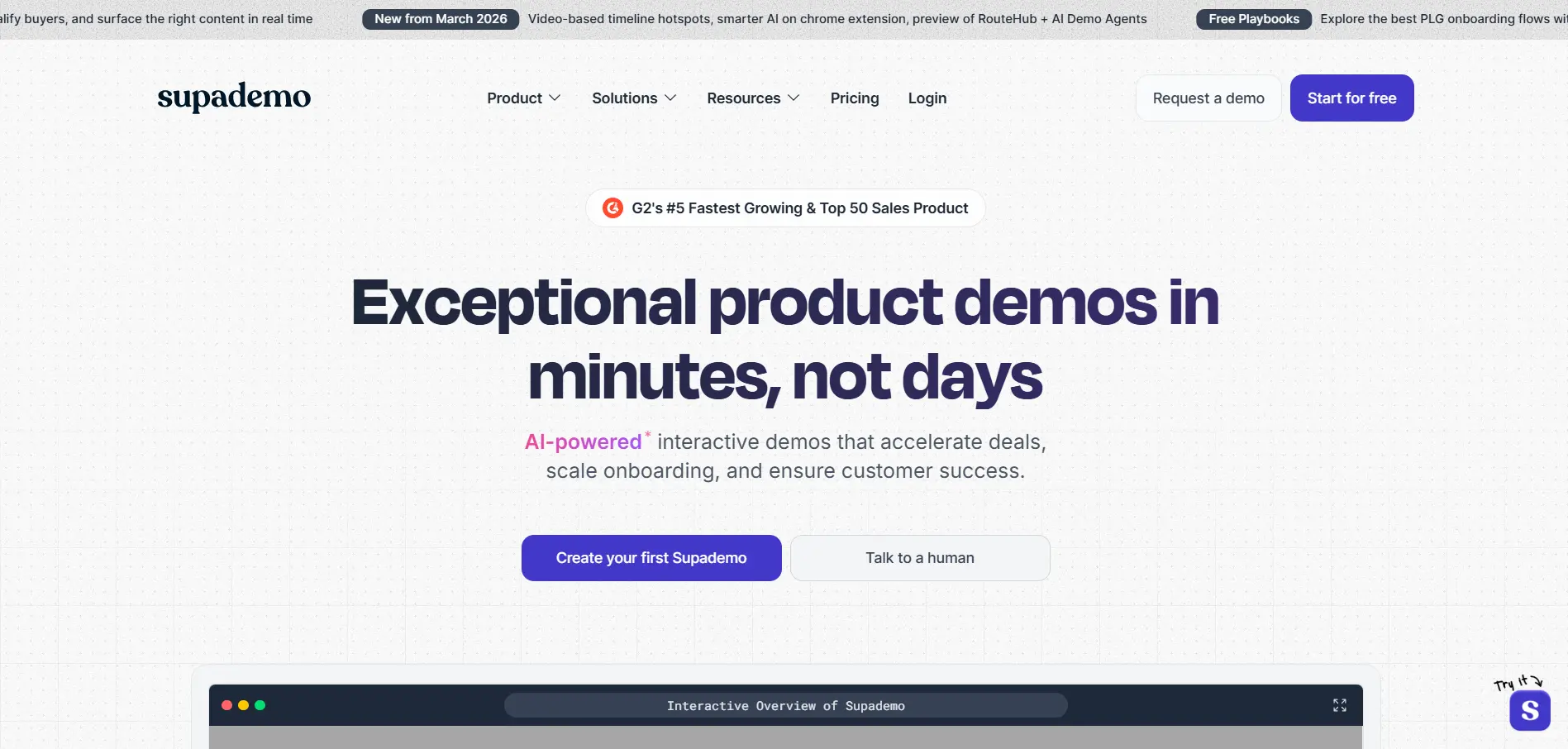
Supademo helps you showcase your product without always needing a live call. It lets prospects explore your product through guided, interactive demos at their own pace.
Key Features:
Interactive Demo Creation
- Create product demos in minutes without coding
- Build step-by-step walkthroughs with visual guidance
- Highlight key features with contextual instructions
Shareable Demo Links
- Generate instant demo links for prospects
- Embed demos on landing pages or emails
- Remove friction from early-stage conversations
Self-Serve Product Experience
- Allow prospects to explore without booking a call
- Reduce dependency on live demos by 30–50%
- Improve understanding before sales conversations
Customization & Branding
- Add branding elements to match your product
- Customize flows for different use cases or personas
Why it stands out: Most b2b sales tools focus on outreach, but Supademo improves what happens after interest is generated. It helps you explain your product faster and move prospects closer to a decision.
Clay — Lead enrichment and data workflows
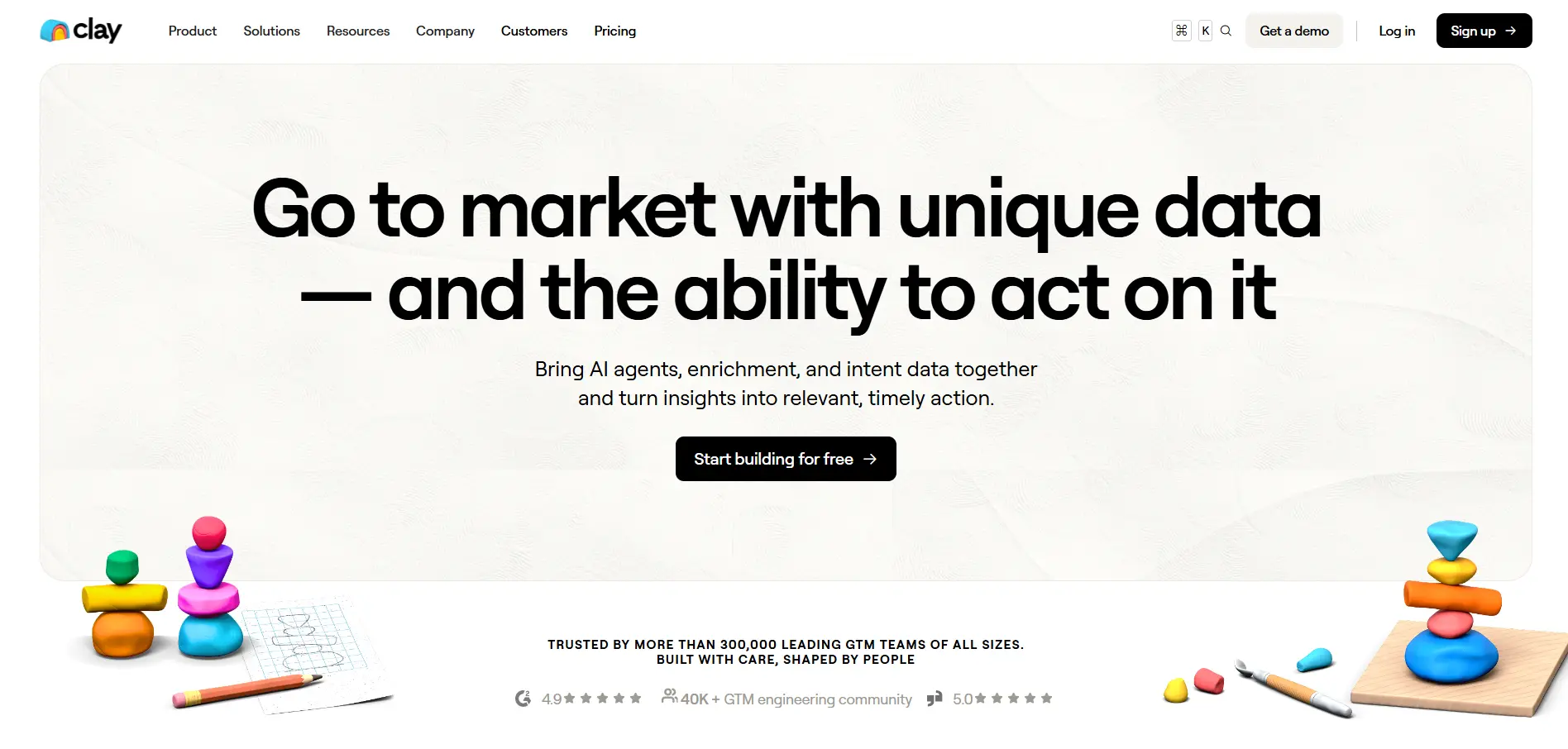
Clay is built for teams that rely on data to power outbound campaigns. It helps you turn raw lead data into structured, enriched lists ready for targeting.
Key Features:
Data Enrichment
- Pull data from 10+ enrichment sources in one workflow
- Add multiple data points like company info, role, and tech stack
- Improve lead quality before outreach begins
Custom Data Workflows
- Build workflows with no-code or low-code logic
- Automate repetitive data tasks across lists
- Combine APIs and tools into one process
Lead Scoring & Segmentation
- Segment leads based on custom conditions and signals
- Prioritize high-intent prospects more effectively
- Create highly targeted outreach lists
Integration Flexibility
- Connect with multiple tools and data providers
- Push enriched data into your outreach or CRM tools
Why it stands out: Most best b2b sales tools give you data, but Clay helps you shape and refine it. This makes it powerful for teams that want precision before starting outreach.
Instantly.ai — Cold email outreach and inbox scaling
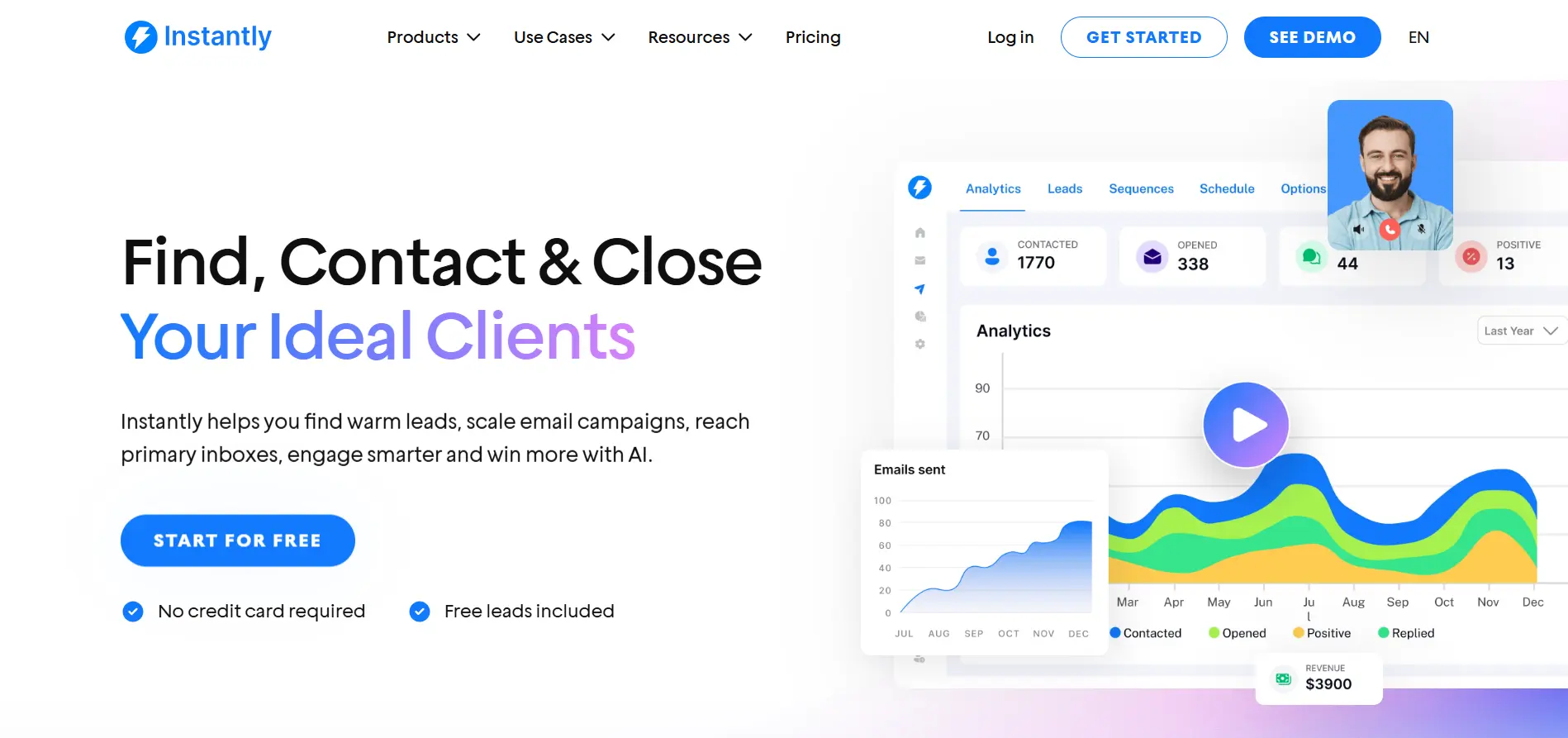
Instantly is designed for teams that want to send cold emails at scale without hurting deliverability. It focuses on helping you manage volume while keeping campaigns running smoothly.
Key Features:
Cold Email Campaigns
- Send thousands of emails daily across campaigns
- Set up automated sequences with multi-step follow-ups
- Launch campaigns quickly with minimal setup
Inbox Scaling
- Connect and manage multiple sending inboxes
- Distribute email volume to reduce risk
- Scale outreach without overloading one domain
Deliverability Optimization
- Built-in tools to improve inbox placement
- Reduce spam risk with better sending practices
- Monitor deliverability across campaigns
Campaign Tracking
- Track open rates, replies, and performance
- Optimize campaigns based on engagement data
- Identify what messaging works best
Why it stands out: Among b2b sales tools, Instantly is built specifically for scaling email outreach. It helps you increase volume without compromising deliverability, which is critical for outbound success.
HubSpot — CRM and pipeline management
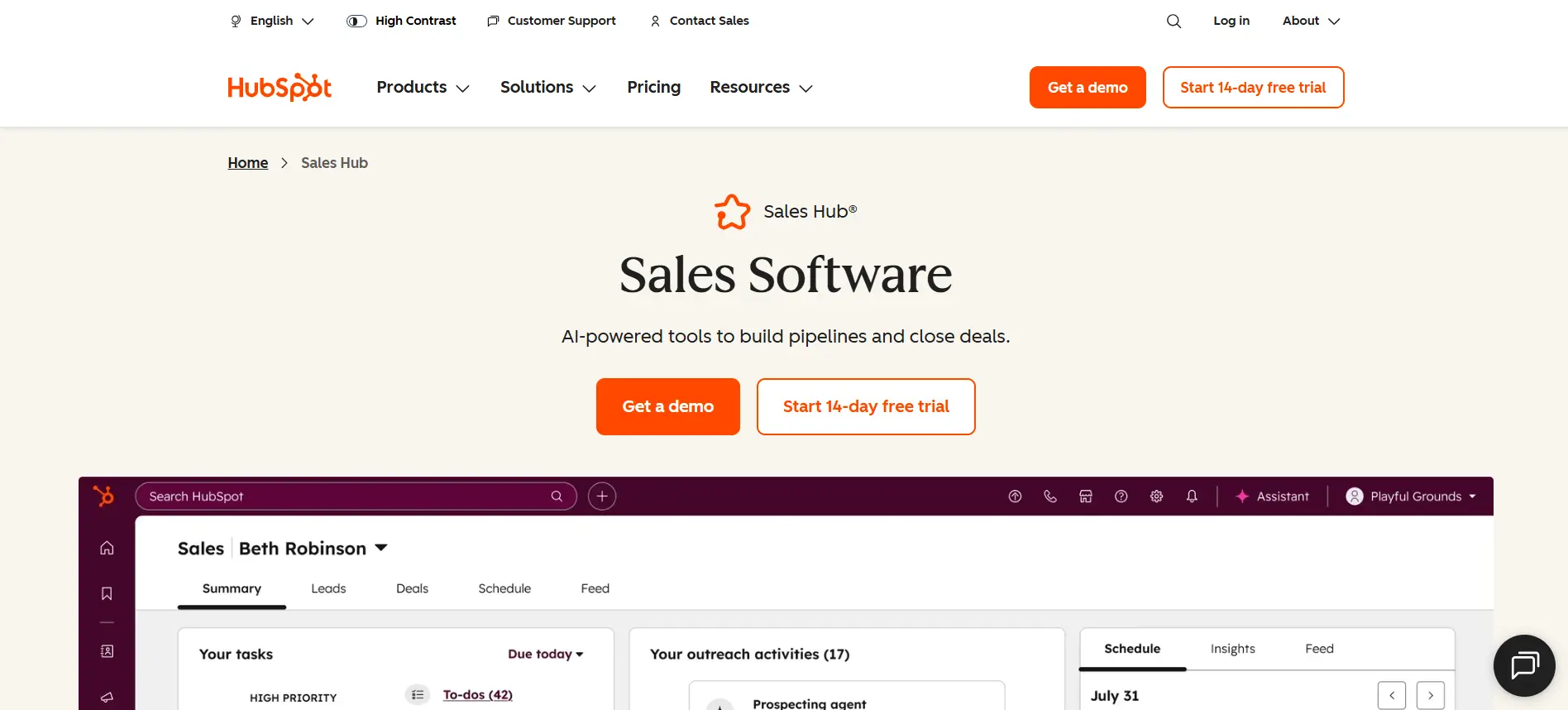
HubSpot is a widely used CRM that helps you organize your sales pipeline and manage relationships in one place. It gives you visibility into deals, activities, and progress without adding too much complexity.
Key Features:
Pipeline Management
- Track deals across multiple pipeline stages
- Visual dashboard to monitor progress and bottlenecks
- Move deals easily as they progress
Contact & Activity Tracking
- Store complete contact history including emails and interactions
- Track engagement across touchpoints
- Keep all customer data in one place
Sales Automation
- Automate repetitive tasks like follow-ups and reminders
- Create simple workflows to save time
- Reduce manual data entry
Reporting & Insights
- Generate reports on pipeline performance
- Track conversion rates and deal velocity
- Get visibility into team performance
Why it stands out: Among best b2b sales tools, HubSpot balances simplicity and functionality well. It’s powerful enough to manage pipelines but simple enough for teams that don’t want a steep learning curve.
Salesforce — Enterprise sales operations and CRM
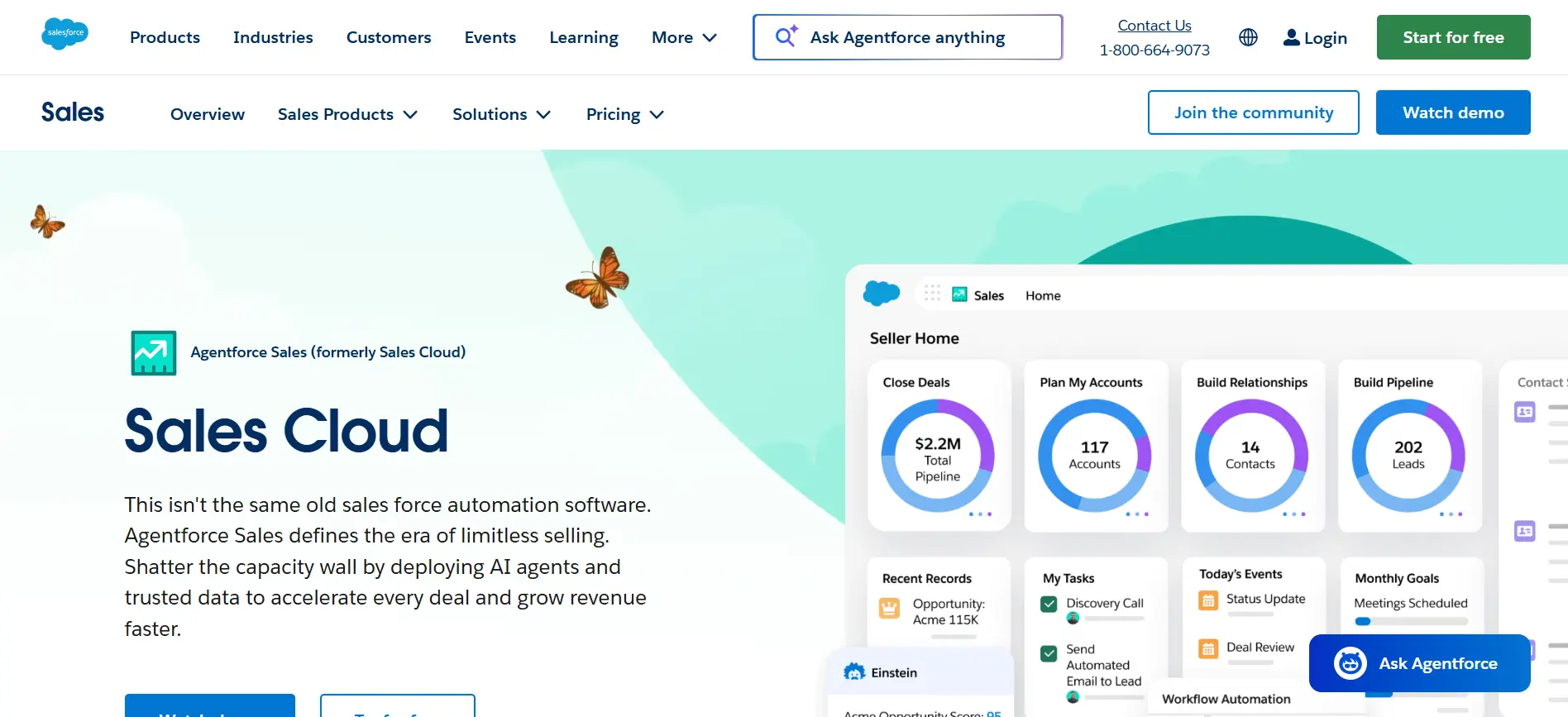
Salesforce is built for teams that need deep control over their sales process. It’s designed to handle complex pipelines, large teams, and customized workflows at scale.
Key Features:
Advanced Pipeline Management
- Manage multiple pipelines and complex deal stages
- Customize workflows based on your sales process
- Track large volumes of deals efficiently
Customization & Flexibility
- Configure highly customized workflows and fields
- Adapt the CRM to match your exact sales motion
- Support complex business logic and processes
Reporting & Forecasting
- Generate detailed reports and revenue forecasts
- Track team performance across multiple metrics
- Get deep visibility into sales performance
Integration Ecosystem
- Connect with 1000+ tools and integrations
- Build a fully connected sales stack
- Extend functionality with apps and APIs
Why it stands out: Among b2b sales tools, Salesforce offers unmatched flexibility and scalability. It’s ideal when your sales process is too complex for simpler CRMs to handle.
Calendly — Meeting scheduling and booking
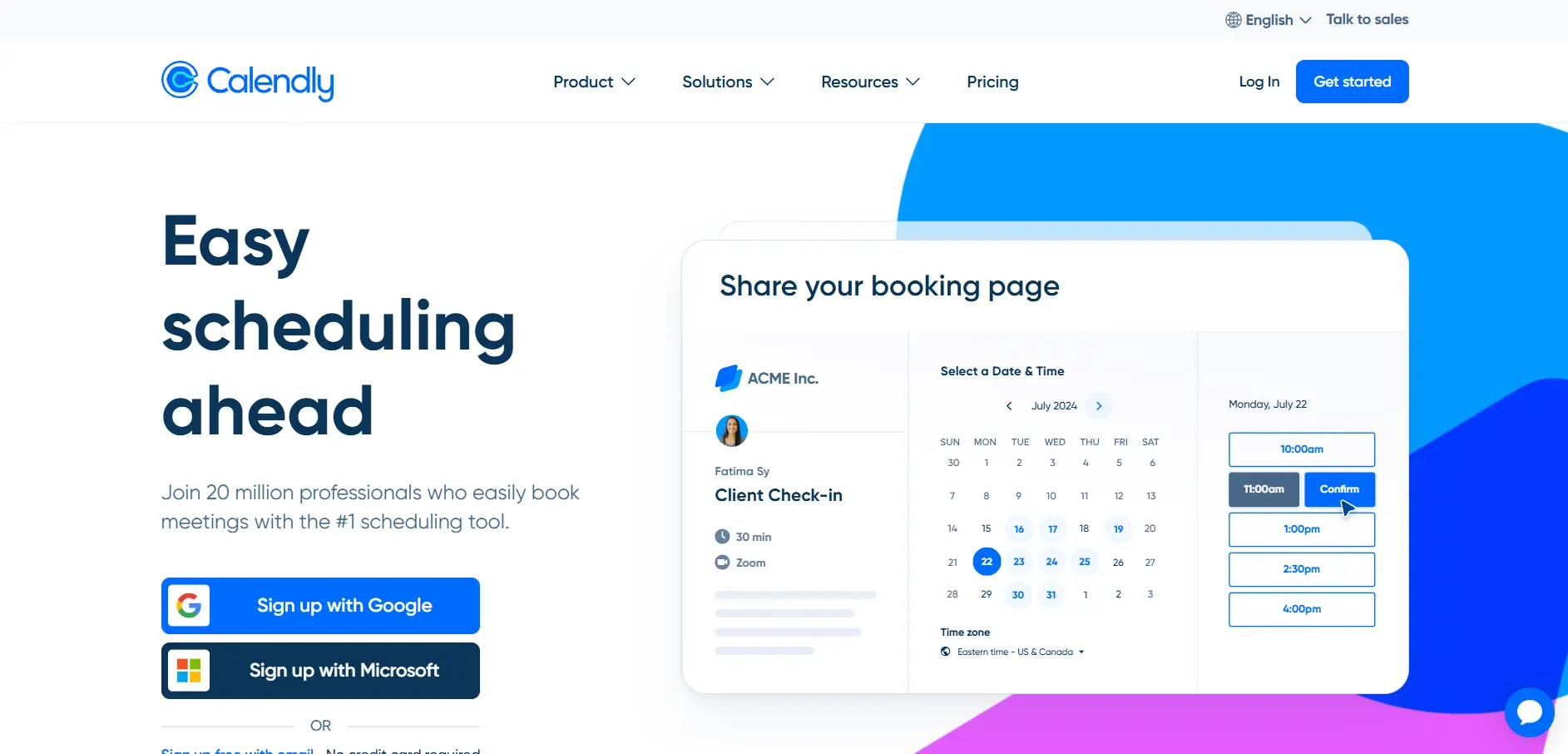
Calendly removes the friction of back-and-forth emails when booking meetings. It lets prospects choose a time that works for them, helping you move deals forward faster.
Key Features:
Easy Scheduling
- Share booking links to schedule meetings in seconds
- Allow prospects to pick from available time slots
- Eliminate manual coordination completely
Calendar Sync
- Sync with Google, Outlook, and other calendars
- Avoid double bookings automatically
- Keep availability updated in real time
Automated Notifications
- Send automatic reminders and confirmations
- Reduce no-shows with scheduled alerts
- Keep both sides informed without manual follow-up
Custom Scheduling Rules
- Set buffer times and meeting limits
- Control availability based on your workflow
- Customize meeting types and durations
Why it stands out: Most sales tools for b2b focus on outreach, but Calendly improves what happens after interest is created. It helps you convert interest into meetings without delays.
Gong.io — Sales call analysis and coaching
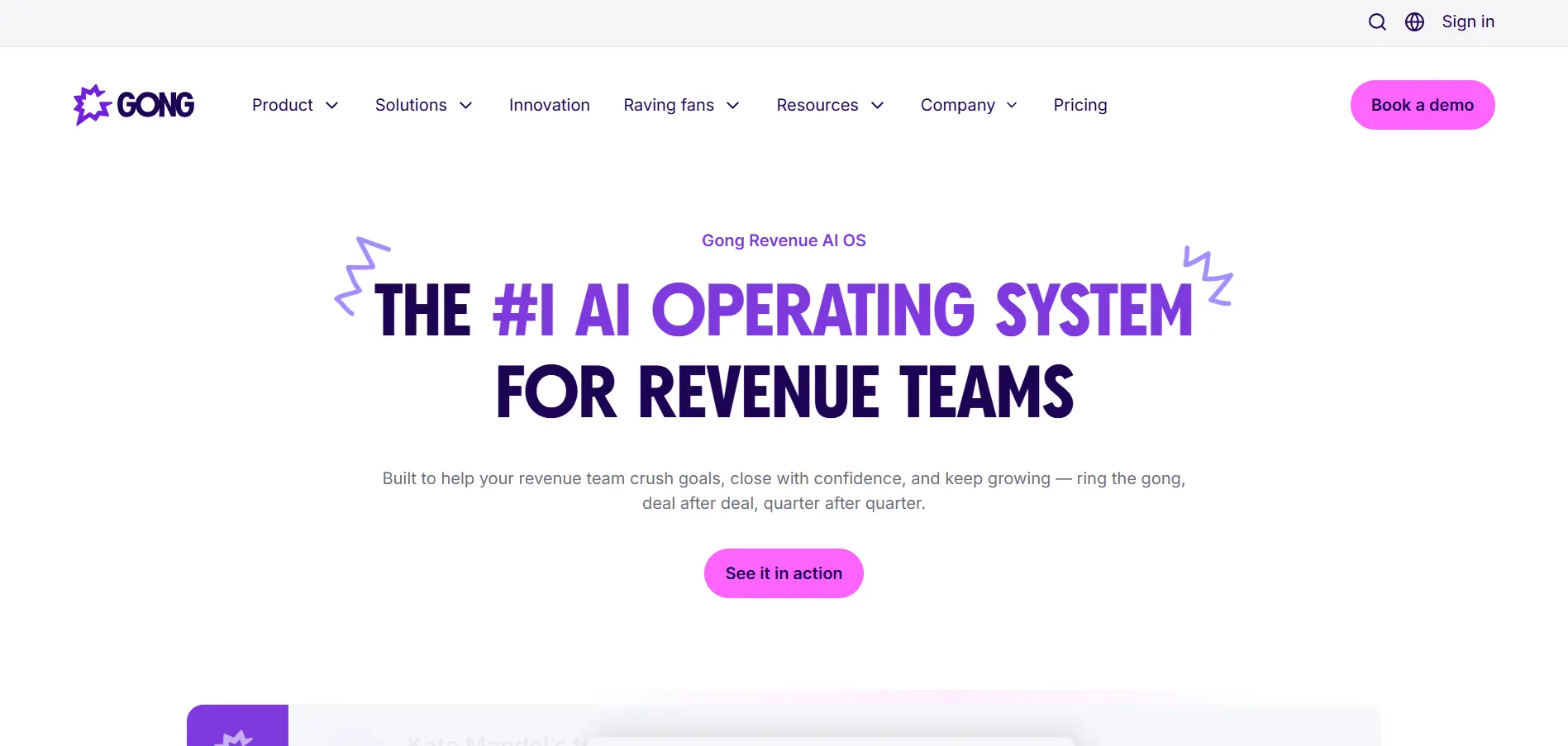
Gong helps you understand what actually happens during your sales calls. It analyzes conversations to show what’s working and where your team can improve.
Key Features:
Call Recording & Transcription
- Record 100% of sales calls automatically
- Generate accurate transcripts for review
- Store conversations for future reference
Conversation Intelligence
- Analyze calls to identify key patterns and trends
- Track talk ratios, objections, and winning phrases
- Understand what drives successful deals
Coaching & Performance Insights
- Help managers coach reps using real call data
- Identify top-performing behaviors across the team
- Improve consistency in messaging
Deal Insights
- Track deal risks and engagement levels
- Get visibility into pipeline health through conversations
- Spot opportunities before deals go cold
Why it stands out: Most best b2b sales tools focus on outreach, but Gong focuses on what happens during conversations. It helps you refine your sales approach based on real data, not guesswork.
Zoom — Sales calls and virtual demos
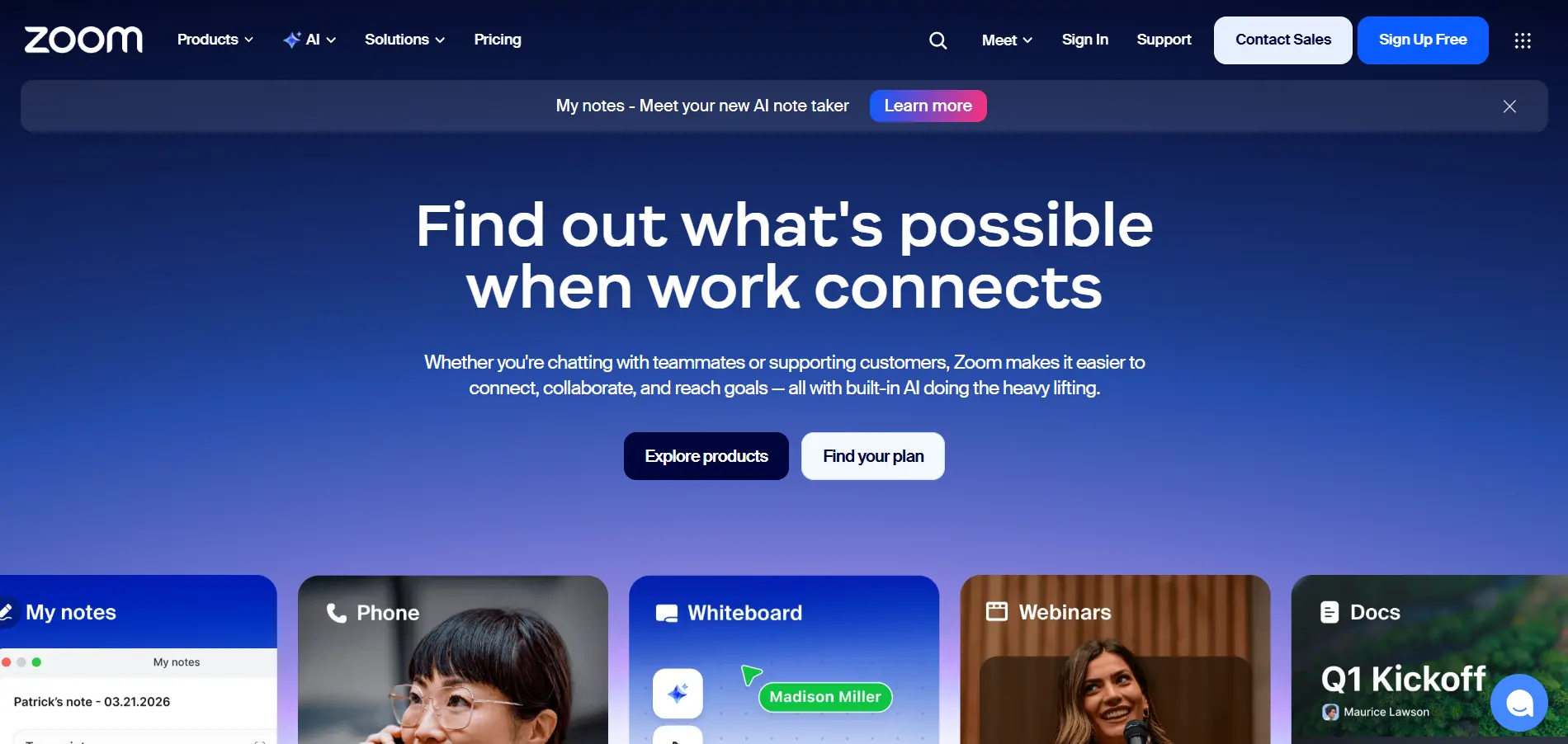
Zoom is a go-to platform for hosting sales calls, product demos, and client meetings. It helps you communicate clearly with prospects, especially in remote or distributed sales setups.
Key Features:
Video Meetings & Calls
- Host HD video meetings with prospects and clients
- Support for 1:1 and group calls
- Reliable connection for smooth communication
Screen Sharing & Demos
- Share your screen to run live product demos
- Walk prospects through features in real time
- Make presentations more interactive
Call Recording
- Record meetings for future reference and training
- Share recordings with stakeholders
- Review calls to improve performance
Collaboration Tools
- Chat, reactions, and meeting controls
- Enable better interaction during calls
- Keep conversations structured and engaging
Why it stands out: While most b2b sales tools focus on outreach or data, Zoom plays a key role in closing deals. It helps you deliver clear, real-time communication when it matters most.
Slack — Internal sales communication
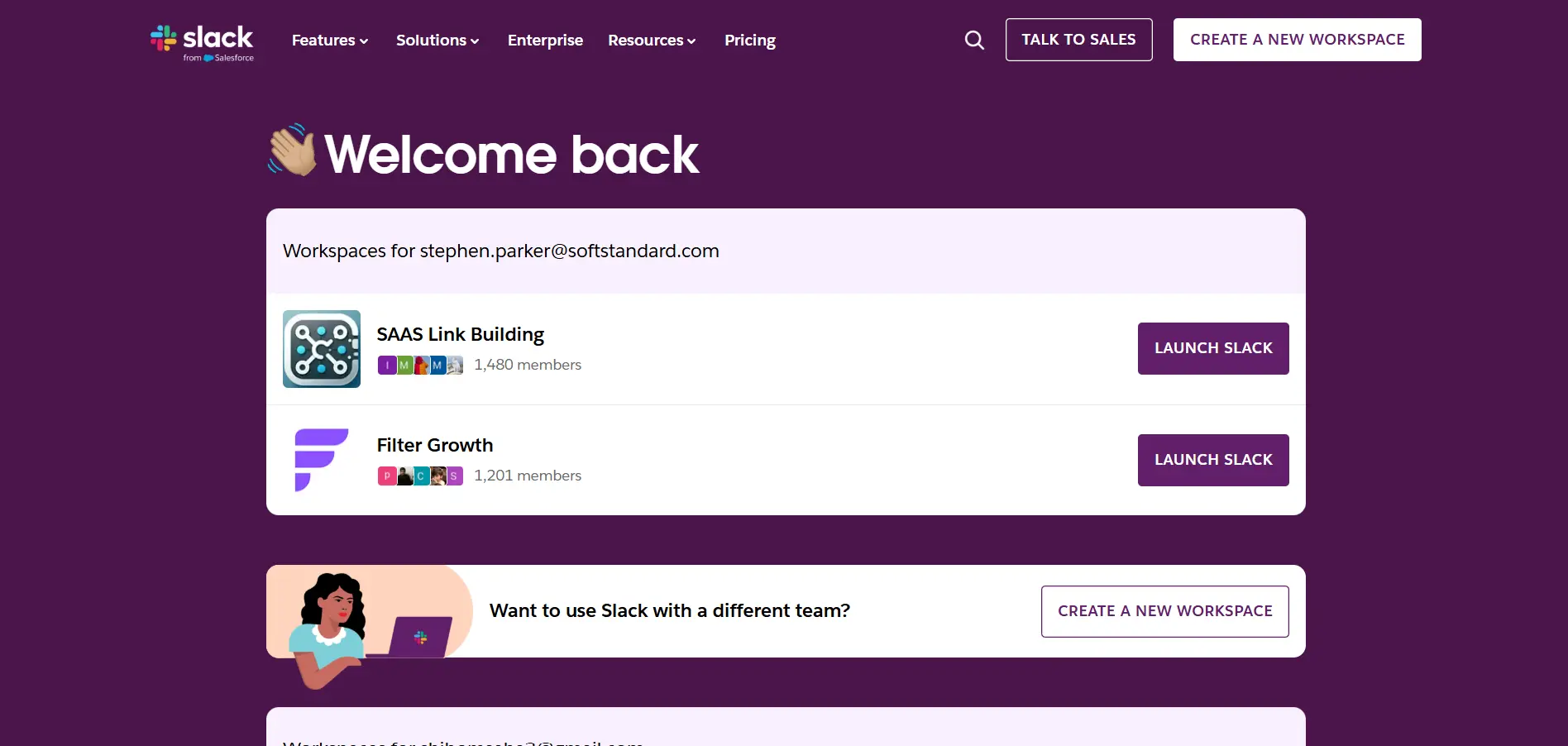
Slack helps your sales team stay aligned without long email threads or scattered updates. It creates a central place where conversations, deal updates, and decisions happen in real time.
Key Features:
Team Communication
- Organize conversations into channels for deals, teams, or accounts
- Send instant messages for faster collaboration
- Reduce internal delays in decision-making
Real-Time Updates
- Share deal progress and updates instantly
- Keep everyone aligned on pipeline movement
- Avoid information silos across teams
Integrations with Sales Tools
- Connect with CRM, email, and outreach tools
- Get notifications directly inside Slack
- Centralize updates from multiple platforms
Collaboration & File Sharing
- Share documents, notes, and resources easily
- Collaborate across sales, marketing, and support
- Keep all context in one place
Why it stands out: Most sales tools for b2b focus on external outreach, but Slack improves internal execution. It helps your team move faster by keeping everyone aligned in real time.
Common Mistakes When Building a B2B Sales Stack
Now that you’ve seen the best b2b sales tools, it’s equally important to understand what not to do. Most teams don’t fail because of bad tools, they fail because of how those tools are combined.
Using too many disconnected tools
Many teams keep adding tools for every small task without thinking about how they connect. This creates silos where data, conversations, and workflows don’t sync properly.
- Constant context switching between tools
- Broken workflows and manual handoffs
- Loss of visibility across the sales pipeline
Prioritizing features over workflow efficiency
It’s easy to get attracted to tools with long feature lists, but more features don’t always mean better results. What matters is how smoothly your workflow runs from start to finish.
- Choosing tools based on hype instead of fit
- Ignoring how tools integrate with each other
- Slower execution despite having “powerful” tools
Ignoring data quality and deliverability
Even the best outreach strategy fails if your data is inaccurate or your emails don’t land in inboxes. Poor data and weak deliverability silently kill your pipeline.
- High bounce rates and low response rates
- Wasted effort on unqualified leads
- Damaged sender reputation over time
Overcomplicating processes for small teams
Small teams often copy enterprise-level setups that are too complex for their needs. This adds unnecessary steps and slows down execution.
- Too many steps in the sales process
- Tools that require constant management
- Reduced speed and flexibility
Not aligning tools with your sales motion
Your sales stack should match how you sell, not the other way around. When tools don’t align with your motion, your team ends up adapting to tools instead of focusing on selling.
- Mismatch between tools and target audience
- Inefficient workflows for your sales model
- Lower productivity despite having multiple tools
How Oppora.ai Helps You Replace Multiple Sales Tools with One System
By now, you’ve seen how many different b2b sales tools are needed to run outbound effectively. But managing all of them together often creates more complexity than results.
Oppora.ai solves this by bringing everything into one connected system instead of separate tools. You don’t need one platform for leads, another for outreach, and another for follow-ups.
One workflow instead of multiple tools
Instead of stitching tools together, you build a single workflow that handles your entire sales process. From finding leads to booking meetings, everything runs in one place.
- No switching between tools for each step
- No manual data movement across platforms
- A single system controlling your entire pipeline
Automation across the entire sales cycle
Most sales tools for b2b automate one part of the process, but Oppora automates the full cycle. This reduces manual effort and keeps your outbound running consistently.
- Prospecting, enrichment, outreach, and replies handled automatically
- Follow-ups sent without manual intervention
- Conversations managed without constant monitoring
Better deliverability and data quality
When tools are disconnected, data quality and deliverability often suffer. Oppora handles both within the same system to keep your outreach effective.
- Verified data reduces bounce rates
- Built-in safeguards protect sender reputation
- Cleaner data improves targeting and response rates
Built for simplicity and scale
Whether you’re a small team or scaling outbound, Oppora adapts without adding complexity. You don’t need to rebuild your stack as you grow.
- Start with a simple workflow and expand as needed
- Scale outreach without adding more tools
- Maintain clarity even as volume increases
Why this matters
The goal isn’t just to use the best b2b sales tools, but to build a system that actually works together. Oppora shifts your approach from managing tools to running a streamlined sales engine.
Key Takeaways
Choosing the right b2b sales tools is less about adding more tools and more about building a system that works together. When your tools align, your workflow becomes faster and easier to manage.
- Different sales tools for b2b solve specific parts of the sales process
- Workflow efficiency matters more than feature-heavy tools
- Data quality and deliverability directly impact results
- Too many disconnected tools slow execution
- Your stack should match your team size and sales motion
The best b2b sales tools reduce friction and simplify execution. When everything works as one system, your team can focus more on closing deals.
If you want to simplify your workflow, Oppora.ai helps you run your entire outbound in one system. No switching between tools, no manual effort, just a process that keeps running.
Frequently Asked Questions (FAQs)
What are B2B sales tools?
B2B sales tools are platforms that help you manage prospecting, outreach, and deal tracking in one place. They simplify your workflow and help you move leads through the sales pipeline faster.
What are the best B2B sales tools for small teams?
The best b2b sales tools for small teams are those that reduce complexity and combine multiple functions. Tools that handle prospecting and outreach together often work better than using many separate platforms.
How many sales tools does a B2B team need?
Most teams use 4–8 sales tools for b2b, depending on their workflow. However, using too many disconnected tools can slow down execution instead of improving it.
Why is it important to choose the right B2B sales tools?
Choosing the right tools improves efficiency, reduces manual work, and helps your team focus on selling. Poor tool selection can create friction and impact overall performance.
What should I look for in the best B2B sales tools?
You should look for ease of use, strong data quality, automation capabilities, and integrations. The best b2b sales tools are the ones that fit your workflow and scale with your team.