10 Email Campaign Optimization Techniques to Improve Results
Most email campaigns fail not because of weak ideas, but because they are not properly optimized for how modern inbox behavior works today.
With rising competition and shrinking attention spans, even small improvements in targeting, timing, and messaging can dramatically improve performance.
In this guide, you’ll learn:
- 10 proven email campaign optimization techniques
- Key metrics you must track for better decisions
- Common mistakes that hurt performance
- How to scale results using smarter systems like Oppora.ai
What is Email Campaign Optimization (And Why It Matters Today)
Email campaign optimization is the process of improving every stage of your email outreach to increase engagement, replies, and conversions.
It goes beyond simply sending emails and focuses on refining targeting, messaging, timing, deliverability, and follow-ups to consistently improve results from the same effort.
In today’s crowded inbox environment, optimization matters more than ever because:
- Attention spans are shorter than ever
- Inbox competition is extremely high
- Small changes in copy, timing, or segmentation can significantly impact results
This is why optimizing your email campaigns is no longer optional—it directly impacts performance and revenue growth.
Key Metrics You Must Track to Optimize Email Campaigns
If you want to improve email performance, you cannot rely on guesswork. You need to track the right metrics consistently so you understand what is working and what is failing.
These metrics help you identify issues in targeting, content, deliverability, and overall campaign structure so you can continuously optimize results.
1. Open Rate
Open rate shows how many recipients actually open your email after receiving it. It is one of the first indicators of how effective your subject line and sender reputation are.
A low open rate usually signals issues like weak subject lines, poor timing, or low trust in the sender name. Improving this metric starts with better personalization and stronger curiosity-driven subject lines.
2. Click-Through Rate (CTR)
CTR measures how many people clicked on a link inside your email after opening it. It reflects how engaging and relevant your email content is.
A strong CTR usually means your message is clear, valuable, and has a well-placed call-to-action. If CTR is low, your content structure or CTA clarity likely needs improvement.
3. Reply Rate
Reply rate tracks how many recipients respond directly to your email. This is especially important for outbound and sales campaigns.
A higher reply rate shows that your message feels human, relevant, and worth responding to. Personalization, tone, and timing play a big role in improving this metric.
4. Conversion Rate
Conversion rate measures how many recipients complete the desired action, such as booking a call, signing up, or making a purchase.
This is the most important metric for business impact. Even if open and click rates are good, low conversions indicate a gap in your landing page, offer, or follow-up strategy.
5. Bounce Rate
Bounce rate shows how many emails failed to reach the recipient’s inbox. High bounce rates damage your sender reputation and reduce deliverability over time.
Keeping your email list clean, verified, and regularly updated is essential to maintain a low bounce rate and protect campaign performance.
6. Unsubscribe Rate
Unsubscribe rate tells you how many people opt out of your emails after receiving them. While some unsubscribes are normal, a high rate signals misalignment between your content and audience expectations.
It often indicates issues with targeting, frequency, or relevance of messaging.
7. Spam Complaint Rate
Spam complaint rate measures how many users mark your email as spam. This is one of the most critical metrics for deliverability health.
Even a small increase can harm your domain reputation. This usually happens when emails feel irrelevant, overly aggressive, or poorly targeted.
10 Email Campaign Optimization Techniques That Actually Work
Optimizing B2B cold email campaigns requires smarter targeting, stronger personalization, and better deliverability—not higher sending volume.
The right strategies improve reply rates, booked meetings, inbox placement, and pipeline generation while making outbound campaigns more scalable and data-driven. .
1. Segment Your Audience for Better Targeting
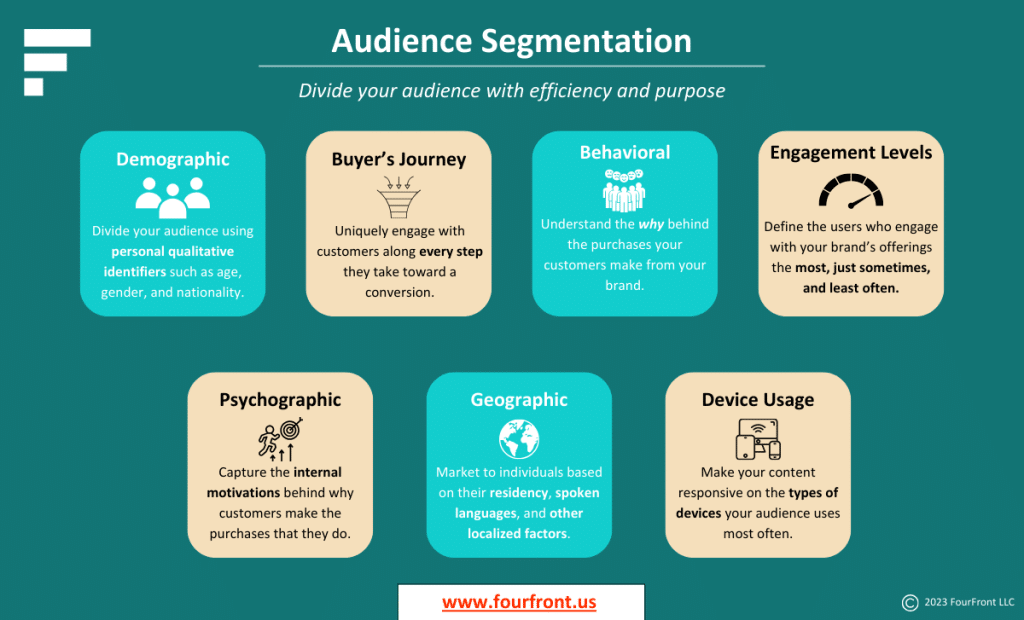
Segmenting your prospect list means grouping leads based on industry, company size, job title, buying intent, or sales stage so your outreach feels relevant to each audience.
What it impacts
- Higher reply rates
- Better meeting conversion
- Lower spam complaints
- Improved engagement quality
How to do it
- Segment by ICP categories such as SaaS, agencies, staffing, or healthcare
- Separate founders from managers or enterprise buyers
- Use intent signals like hiring activity or funding rounds
- Create different messaging for cold vs warm prospects
Example
A lead generation agency sends one sequence to startup founders focused on pipeline growth and another to enterprise SDR managers focused on outbound scalability.
2. Personalize Beyond First Names
Modern B2B personalization goes far beyond adding “Hi John.” Effective cold emails reference relevant business context that shows research and intent.
What it impacts
- Reply rate
- Prospect trust
- Positive engagement
- Meeting bookings
How to do it
- Mention company growth signals
- Reference recent LinkedIn activity or hiring trends
- Use industry-specific pain points
- Personalize based on role responsibilities
Example
Instead of “Hi Sarah,” write: “Noticed your team recently expanded SDR hiring—usually that creates pressure to scale outbound faster without hurting deliverability.”
3. Write Subject Lines That Actually Get Opened
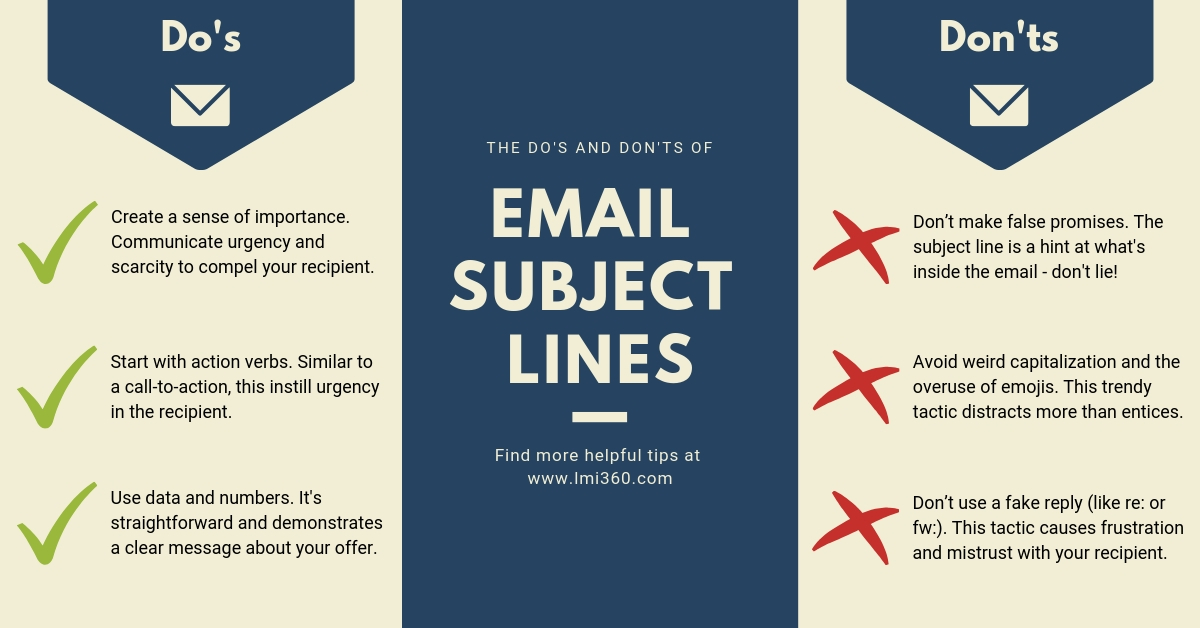
Subject lines determine whether your cold email gets opened or ignored. In B2B outreach, clarity and curiosity outperform overly promotional language.
What it impacts
- Open rates
- Inbox engagement
- Deliverability performance
How to do it
- Keep subject lines short and natural
- Avoid aggressive sales language
- Use relevance instead of hype
- Test curiosity-based variations
Example
Weak: “Boost Your Revenue Fast” Strong: “Quick idea for scaling outbound”
Suggested Reading:
How to Increase Open Rates for Cold Email Campaigns4. Optimize Send Time and Frequency
Cold email timing significantly affects engagement. Sending too frequently creates fatigue, while poor timing reduces visibility in crowded inboxes.
What it impacts
- Open rates
- Reply consistency
- Prospect engagement
- Unsubscribe rates
How to do it
- Test different weekdays and time slots
- Avoid sending large blasts simultaneously
- Space follow-ups strategically
- Adjust cadence based on prospect behavior
Example
A B2B SaaS company discovers that decision-makers reply more often to emails sent Tuesday mornings between 8–10 AM.
5. Improve Email Deliverability with Proper Setup
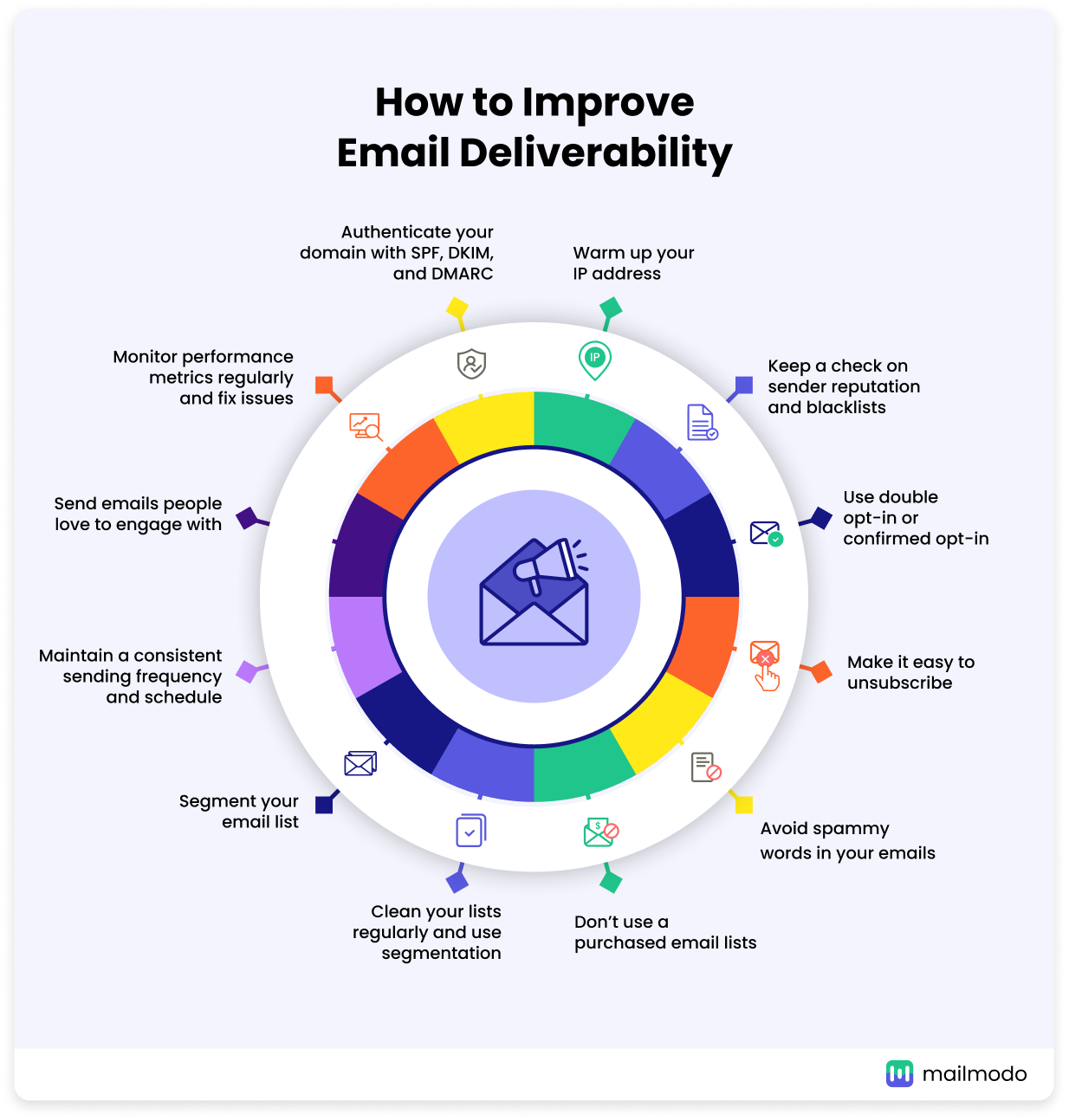
Even great cold emails fail if they land in spam. Deliverability optimization ensures your emails consistently reach primary inboxes.
What it impacts
- Inbox placement
- Sender reputation
- Open rates
- Long-term domain health
How to do it
- Set up SPF, DKIM, and DMARC authentication
- Warm up domains gradually
- Rotate mailboxes safely
- Keep prospect lists verified and clean
- Match Gmail-to-Gmail or Outlook-to-Outlook when possible
Example
A sales team improves inbox placement after warming up domains and rotating multiple mailboxes instead of sending all outreach from a single inbox.
6. Follow-Up Sequencing Strategy
Most B2B meetings come from follow-ups, not first-touch emails. A structured sequence helps maintain visibility without sounding repetitive.
What it impacts
- Reply rates
- Meeting bookings
- Pipeline generation
- Lead nurturing efficiency
How to do it
- Build 4–7 step sequences
- Add value in every follow-up
- Use different angles across emails
- Include timing gaps between touchpoints
- Stop sequences after engagement signals
Example
A staffing agency sequence includes:
- Initial outreach
- Case study follow-up
- Hiring pain-point email
- Final “close the loop” email
7. Clear and Single CTA Optimization
Cold emails perform better when they focus on one simple action instead of multiple requests.
What it impacts
- Reply rates
- Conversion clarity
- Meeting scheduling efficiency
How to do it
- Use one CTA per email
- Keep requests low friction
- Ask short, direct questions
- Avoid multiple booking links or options
Example
Instead of: “Book a demo, download our guide, or reply if interested.”
Use: “Open to a quick 10-minute conversation next week?”
8. A/B Testing Campaign Elements
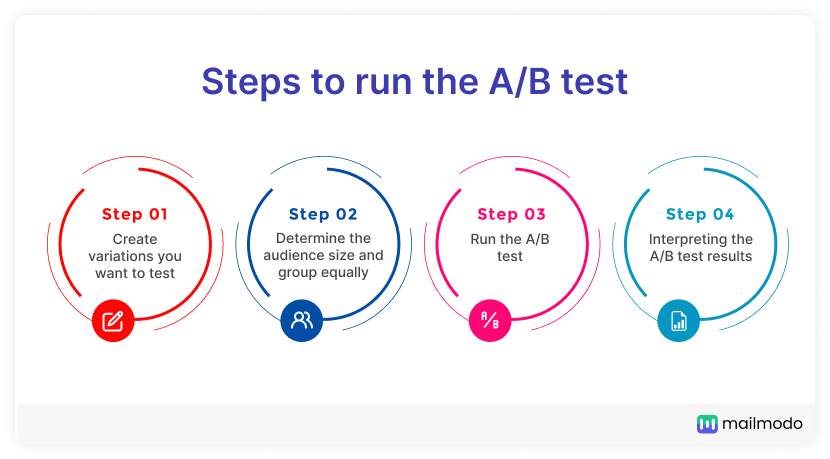
A/B testing helps identify which parts of your cold email campaigns drive better engagement and replies.
What it impacts
- Open rates
- Reply performance
- Sequence optimization
- Campaign scalability
How to do it
- Test one variable at a time
- Compare subject lines, CTAs, or opening lines
- Split audience segments evenly
- Track statistically meaningful results
Example
A company tests two opening lines:
- “Saw your SDR team is growing”
- “Noticed your outbound hiring recently increased”
The second version generates higher reply rates.
9. Improve Email Copy Structure (Clarity, Brevity, Relevance)
B2B buyers ignore long, overly complex emails. Strong cold email copy is concise, relevant, and easy to scan quickly.
What it impacts
- Readability
- Reply rates
- Prospect engagement
- Conversion quality
How to do it
- Keep emails under 120–150 words
- Use short paragraphs
- Focus on one problem and one solution
- Remove jargon and unnecessary filler
Example
Weak: A long multi-paragraph explanation of your platform.
Strong: “Helping staffing firms increase qualified replies without scaling SDR headcount.”
10. Clean and Verify Your Email List Regularly
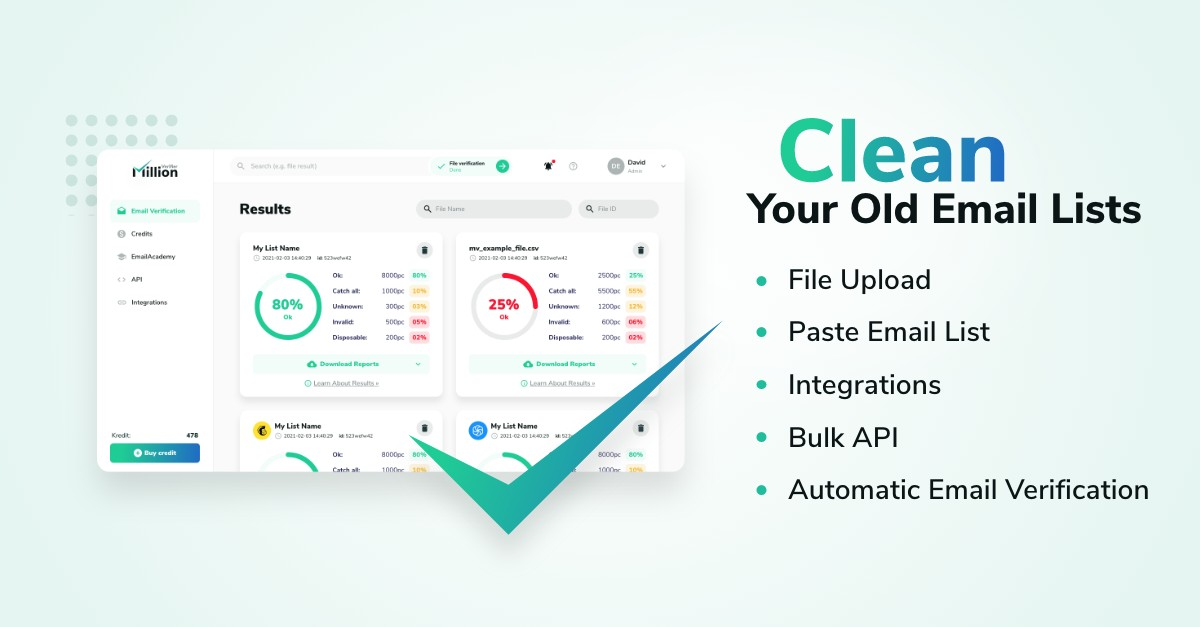
Poor-quality prospect data damages deliverability and reduces campaign efficiency. Clean lists are essential for sustainable outbound performance.
What it impacts
- Bounce rates
- Deliverability
- Domain reputation
- Campaign ROI
How to do it
- Verify emails before launching campaigns
- Remove inactive or invalid contacts
- Deduplicate lead databases
- Monitor bounce and spam complaint rates regularly
Example
A B2B agency removes invalid contacts before campaign launch, reducing bounce rates and improving inbox placement across all sequences.
Common Mistakes That Hurt Email Campaign Optimization
Many B2B cold email campaigns underperform because of avoidable outbound mistakes that damage engagement and deliverability.
One major issue is poor audience targeting, where the same generic message is sent to completely different buyer personas. This reduces relevance and lowers reply rates.
Another common mistake is writing overly sales-heavy subject lines that immediately trigger skepticism or spam filters.
Many outbound teams also overload emails with multiple CTAs, making it unclear what action the prospect should take.
Other common optimization mistakes include:
- Sending emails without warming up domains
- Using unverified prospect lists
- Over-personalizing with irrelevant details
- Writing long emails that lack clarity
- Following up too aggressively or inconsistently
- Ignoring deliverability setup like SPF, DKIM, and DMARC
Avoiding these mistakes helps improve inbox placement, increase reply rates, and create more scalable outbound campaigns.
How Oppora.Ai Helps You Automate and Optimize Email Campaigns
Oppora.ai simplifies email campaign optimization by combining automation, AI, and data-driven insights into one system. It helps marketers improve targeting, personalization, deliverability, and overall campaign performance without manual effort.
Hyper-Targeted Lead Database
Oppora.ai provides a highly segmented and enriched lead database that helps you reach the right audience from the start.
- Filters leads based on intent, industry, and behavior
- Reduces wasted outreach by improving targeting accuracy
- Ensures higher engagement through relevant audience selection
This foundation improves every stage of your email campaign.
Data-Based Personalization at Scale
Instead of basic personalization, Oppora.ai uses data signals to create meaningful, context-driven messaging.
- Personalizes based on user behavior and profile data
- Adapts messaging for different audience segments
- Improves reply and conversion rates through relevance
This helps campaigns feel more human and less automated.
AI-Generated Subject Lines
Subject lines play a critical role in open rates, and Oppora.ai optimizes them using AI.
- Generates multiple high-performing subject line variations
- Optimizes tone based on audience type
- Improves open rates through tested language patterns
This removes guesswork from one of the most important campaign elements.
Email Warm-Up for Better Deliverability
Deliverability is essential for campaign success, and Oppora ensures your emails reach inboxes.
- Gradually warms up new email accounts
- Builds sender reputation over time
- Reduces chances of landing in spam folders
This improves long-term campaign stability and trust.
Email Sequence Builder with Follow-Ups
Oppora.ai helps you build structured, automated email sequences that guide leads through the funnel.
- Create multi-step follow-up workflows
- Automate responses based on user actions
- Increase conversions through consistent engagement
This ensures no lead is lost due to lack of follow-up.
End-to-End Email Campaign Optimization with AI Agents
Oppora.ai uses AI agents to manage and optimize entire campaigns from start to finish.
- Automates campaign creation and execution
- Optimizes messaging in real time
- Reduces manual work while improving performance
This allows teams to scale outreach efficiently.
Continuous Optimization Through Data and Insights
Oppora.ai continuously analyzes campaign performance to improve future results.
- Tracks key engagement metrics in real time
- Identifies patterns in user behavior
- Suggests improvements for better performance
This creates a feedback loop that strengthens every campaign over time.
Suggested Reading:
Email Deliverability ChecklistConclusion
Email campaign optimization is not a one-time task, but a continuous process of improvement. When you consistently track performance, refine messaging, and apply the right strategies, results steadily improve over time.
Small changes in targeting, timing, and content can significantly impact engagement and conversions.
With a structured approach and data-driven decisions, your campaigns become more predictable and effective.
Using tools like Oppora.ai can further streamline optimization, helping you scale personalization, improve deliverability, and enhance overall campaign performance.
Frequently Asked Questions
1. How often should I optimize my email campaigns?
Email campaigns should be optimized continuously, ideally after every major send cycle. Regular analysis helps you identify what’s working and what needs improvement.
2. Which metric is most important for email campaign optimization?
There is no single metric, but conversion rate is often the most important as it reflects actual business impact beyond opens and clicks.
3. How does A/B testing improve email campaign results?
A/B testing helps you compare subject lines, content, and CTAs to identify what drives better engagement and conversions over time.
4. Can personalization really impact email performance?
Yes, personalization significantly improves open rates, clicks, and conversions by making emails more relevant to each recipient.
5. How does email list quality affect campaign performance?
A high-quality email list improves deliverability and engagement, while poor lists increase bounces, spam complaints, and reduce overall campaign performance.