How to Find Phone Numbers from LinkedIn Profiles Safely
Finding phone numbers from LinkedIn profiles sounds useful when you want faster outreach, but it comes with real risks.
Privacy rules, platform limits, and ethical concerns matter.
In this guide, you’ll learn safe, legal ways, smart alternatives, and better outreach approaches.
Is It Legal to Find Phone Numbers from LinkedIn?
Before you start looking for phone numbers, you need to understand one thing clearly.
Just because data exists online doesn’t mean you’re allowed to use it however you want.
This is where legality, platform rules, and ethics come together and shape how you should approach LinkedIn outreach.
Suggested Reading:
Generate B2B Leads on LinkedInUnderstanding Data Privacy Laws
When you deal with personal data like phone numbers, privacy laws immediately come into play.
Regulations like GDPR focus on how personal information is collected, stored, and used, especially for outreach or marketing purposes.
In simple terms, you need a valid reason and lawful basis to use someone’s phone number.
If the data is not publicly shared with clear intent for contact, using it can create compliance risks.
LinkedIn’s Terms of Service
Now, even if something feels legally “possible,” LinkedIn has its own rules that you cannot ignore.
The platform strictly prohibits scraping, unauthorized automation, and extracting user data at scale.
This means using bots, scraping tools, or unofficial extensions to pull phone numbers can quickly get your account restricted.
In many cases, it’s not just about losing access, but also damaging your credibility permanently.
Ethical Outreach Practices
Legal doesn’t always mean ethical, and this is where most outbound strategies fail.
Reaching out to someone without context or relevance, especially on a personal number, can feel intrusive.
Instead, you should focus on building intent first through meaningful interactions or value-driven messaging.
When people trust you, they are far more likely to share their contact details willingly.
Safe vs Unsafe Methods
At this point, it helps to clearly separate what works long-term from what creates risk.
Safe approaches include:
- Using opt-in data sources
- Leveraging verified enrichment tools
- Collecting contact details through forms or conversations
Unsafe methods usually involve:
- Scraping LinkedIn profiles
- Buying random phone number lists
- Using black-hat automation tools
If your workflow depends on shortcuts, it will eventually break.
But if it’s built on verified data and permission-based outreach, it becomes scalable and sustainable.
Ways to Find Phone Numbers from LinkedIn Profiles Safely

Now that you understand the legal and ethical boundaries, the next step is knowing what actually works.
The goal is not just to find phone numbers, but to do it in a way that doesn’t break trust, rules, or your outbound system.
Let’s walk through the safest and most practical methods you can use.
Method 1: Use an All-in-One Outbound Platform (Oppora.ai)
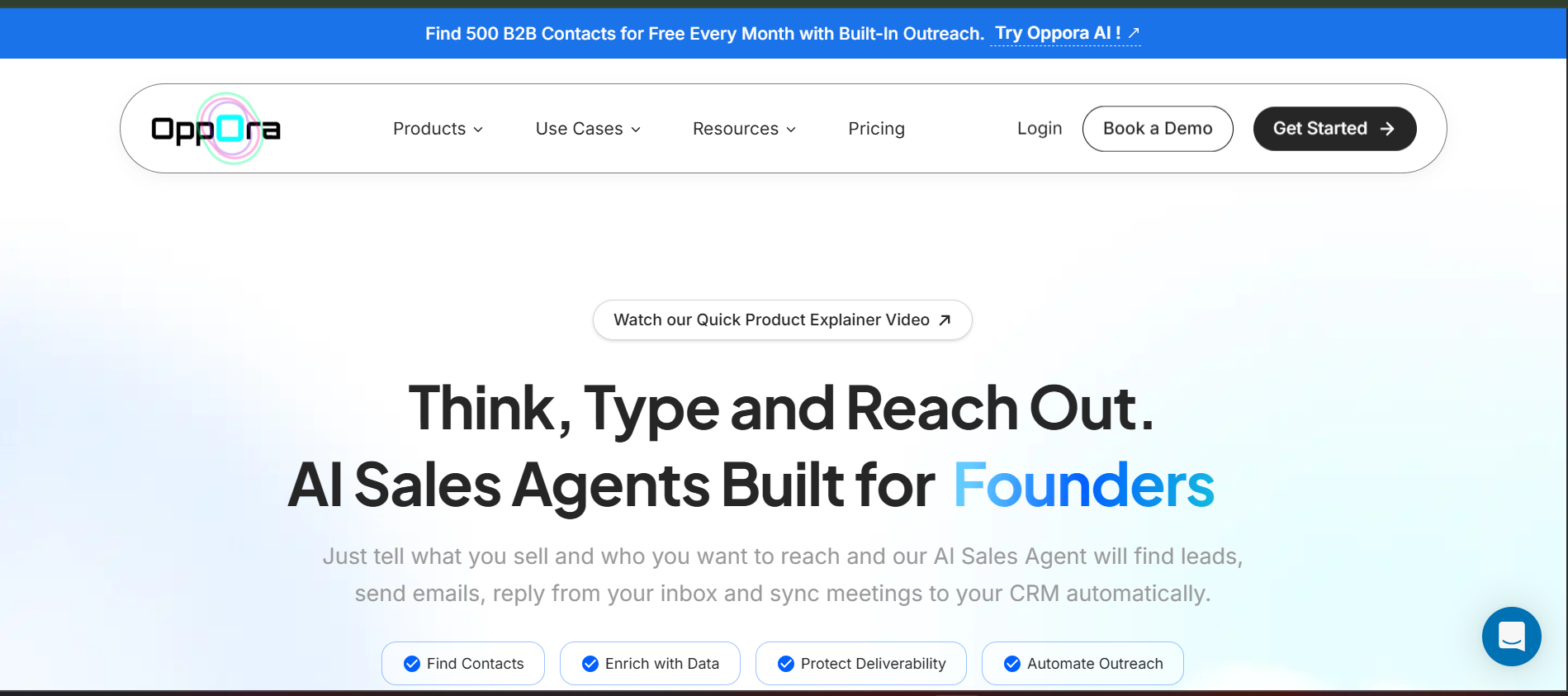
If you want a method that actually scales without putting your LinkedIn account at risk, this is where things change completely.
Instead of manually searching or relying on scraping tools, platforms like Oppora.ai use verified, compliant data sources and combine everything into one workflow.
You’re not just finding phone numbers here.
You’re building a system that handles lead discovery, enrichment, verification, and outreach from start to finish.
Here’s what that looks like in practice:
- Access 700M+ verified contacts with emails and phone numbers
- Use advanced filters like job changes, hiring signals, funding events, industry, and company size
- Enrich LinkedIn leads with verified contact data in real time
- Avoid scraping completely by using permission-based data sources
But the real advantage starts after you find the data.
Instead of exporting lists and switching between tools, you can:
- Write and send personalized emails automatically
- Set up follow-ups without manual effort
- Handle replies directly from your inbox
- Book meetings without back-and-forth
This turns your LinkedIn prospecting into a complete outbound workflow, not just a data collection task.
From a scalability standpoint, it’s built to grow with you:
- Multi-inbox support (up to 50 mailboxes)
- Built-in warm-up to protect deliverability
- AI-powered campaign builder and reply handling
- Multi-channel outreach (email + LinkedIn)
Pricing is also structured to stay flexible depending on your needs:
- $34/month → ~10,000 emails with full workflow access and 200 Phone Credits
- $79/month → higher scale with more capacity
- $7/month → data-only option (around 1,000 contacts)
- Unlimited leads with capped unique recipients per month
What makes this the safest method is simple.
You’re not extracting data from LinkedIn in risky ways.
You’re using verified databases, enrichment layers, and compliant workflows that are designed for outbound from day one.
If you’re serious about doing LinkedIn outreach properly, this is not just the easiest method.
It’s the one that actually holds up when you scale.
Method 2: Check Public Profile and Contact Info Section
Before using any tools, start with the most obvious and fully compliant option.
Some LinkedIn users choose to share their phone numbers directly in their profile.
You can find this by:
- Visiting the profile
- Clicking on the “Contact Info” section
However, visibility depends on privacy settings.
In many cases, you’ll only see phone numbers if:
- You are a 1st-degree connection
- The user has made their contact details visible
This method is simple, transparent, and completely safe.
But it’s also limited because most users don’t publicly share their phone numbers.
Method 3: Use Mutual Connections
If direct access doesn’t work, relationships can open doors that tools cannot.
Mutual connections are one of the most underrated ways to get contact details.
Instead of trying to extract a phone number, you can:
- Ask for a warm introduction
- Request contact details through a trusted connection
This approach increases your chances of a positive response because it’s based on trust, not interruption.
People are far more likely to share their phone number when the request comes through someone they already know.
It also positions your outreach as relevant and intentional, rather than random.
Method 4: Company Websites and Public Sources
LinkedIn profiles rarely give you everything you need.
That’s why combining LinkedIn with external research works much better.
Many professionals are linked to companies that publicly share contact information through:
- Official websites
- Team pages
- Press releases
- Business directories
While you may not always find a direct mobile number, you can often discover:
- Office phone numbers
- Department contacts
- General inquiry lines
This method is safe because the data is already publicly available for business communication.
It also helps you understand the company context before reaching out, which improves your messaging.
Method 5: Email First, Then Ask for Phone
Trying to get a phone number upfront is where most outreach goes wrong.
You’re asking for a high-commitment action without any context or trust.
A better approach is to start with:
- LinkedIn messages
- Email outreach
Once you establish relevance and start a conversation, asking for a phone number becomes natural.
Instead of forcing it, you’re earning it.
This approach:
- Improves response rates
- Reduces friction
- Keeps your outreach respectful and effective
In most cases, this method will outperform direct phone number hunting.
Because at the end of the day, it’s not about getting the number.
It’s about starting a conversation that leads somewhere meaningful.
Best Practices for Safe Phone Number Outreach
Finding a phone number is only one part of the process.
What really matters is how you use it without damaging trust, reputation, or your outbound results.
If your approach feels intrusive or careless, even the right contact data won’t help you.
Verify Before You Use
Before you even think about reaching out, make sure the phone number is accurate.
Using unverified or outdated numbers can lead to failed conversations, wasted effort, and even compliance risks.
Verification helps you:
- Avoid calling the wrong person
- Reduce bounce or disconnect rates
- Maintain a clean and reliable contact database
When your data is accurate, your outreach becomes more confident and effective.
It also protects your brand from looking careless or spammy.
Personalize Your Approach
Cold calling without context rarely works anymore.
If you’re reaching out based on LinkedIn, use that context to make your message feel relevant.
Look at things like:
- Their role and responsibilities
- Recent activity or posts
- Company updates or hiring signals
This gives you a natural entry point instead of a generic pitch.
At scale, this is where AI-driven systems can help by generating personalized messaging without losing relevance.
The goal is simple.
Make your outreach feel like it was meant for that person, not copied for hundreds.
Respect Timing and Context
Even the right message can fail if the timing feels off.
Calling someone randomly during busy hours or without any prior interaction can feel intrusive.
Instead, you should:
- Reach out during reasonable business hours
- Avoid repeated or aggressive follow-ups
- Give context before jumping into a pitch
When people understand why you’re contacting them, they are more open to listening.
Respecting timing shows professionalism, and that alone can improve your response rate.
Combine Channels for Better Results
Relying only on phone outreach limits your chances of starting meaningful conversations.
The most effective approach is combining multiple channels like:
- LinkedIn for initial context
- Email for detailed communication
- Phone for faster conversion
This creates a natural progression instead of a forced interaction.
For example, you can start with LinkedIn, follow up with an email, and then move to a call once there’s some familiarity.
Platforms like Oppora make this easier by automating multi-channel workflows safely.
You can connect LinkedIn outreach, email sequences, and follow-ups into one system without relying on risky methods.
This way, every touchpoint feels connected, relevant, and intentional.
And that’s what turns outreach into actual conversations.
Conclusion
Finding phone numbers from LinkedIn is possible, but only when done responsibly.
Focus on legal, ethical methods and structured workflows.
With modern systems like Oppora, you can safely combine data, outreach, and automation to scale without risking trust or compliance.
FAQs
1. Can you really find phone numbers on LinkedIn?
Yes, but only in limited cases.
Some users share their phone numbers in the contact info section, but most keep it private.
In most situations, you’ll need to rely on verified tools or indirect methods.
2. Is it safe to scrape phone numbers from LinkedIn?
No, scraping LinkedIn data is risky and violates platform policies.
It can lead to account restrictions or permanent bans.
It’s always better to use compliant data sources and structured workflows.
3. What is the safest way to get someone’s phone number?
The safest approach is using verified databases, enrichment tools, or direct opt-in methods.
You can also build trust first through LinkedIn or email before asking for a number.
This keeps your outreach both effective and compliant.
4. Why don’t most LinkedIn users share phone numbers?
Phone numbers are considered sensitive personal data.
Most professionals prefer to control who can contact them directly, which is why they limit visibility.
That’s why relationship-based outreach works better than direct extraction.
5. Should you call prospects directly after finding their number?
Not immediately.
It’s better to create context first through LinkedIn or email.
Once there’s some familiarity, your call feels relevant instead of intrusive, which significantly improves response rates.