How to Use LinkedIn for Business Development: 12 Growth Tactics
how to use linkedin for business development linkedin for business development using linkedin for business development
Most people treat LinkedIn like a digital resume — post occasionally, accept connections, and hope something happens.
But the people actually closing deals on LinkedIn aren't doing any of that.
They're using it as a full business development system — finding the right buyers, warming them up with the right content, and reaching out at exactly the right moment.
If you want to do the same, you're in the right place. In this guide, you'll learn:
- Why LinkedIn is built for business development
- How to set up your profile and process the right way
- 12 proven tactics to generate real pipeline
Let's get into it.
Why LinkedIn Is a Business Development Engine, Not Just a Job Board
Most people show up on LinkedIn when they're job hunting or updating their work history. But here's what's actually happening on the platform every single day.
Buyers are researching vendors. Partners are evaluating collaborators. Decision-makers are reading posts before they ever book a call.
LinkedIn isn't just a professional network anymore — it's where business decisions get shaped.
Decision-Makers Actively Use LinkedIn to Evaluate Solutions
Before a VP of Sales takes a meeting, they've already looked you up.
They've checked your profile, read your recent posts, and formed an opinion — all before you've said a word.
Over 65% of B2B buyers report that thought leadership content directly influences their vendor shortlist.
That means your LinkedIn presence isn't just branding. It's part of your sales process whether you treat it that way or not.
Suggested Reading:
How to Find CEO Email Address in 2026 (28 Real Tactics)LinkedIn Brings Sales, Marketing, and Partnerships Together
Most platforms force you to choose a lane. LinkedIn doesn't.
It's the one place where you can run outreach, publish content, build referral relationships, and explore strategic partnerships — all in the same feed, with the same audience.
That's a rare advantage. And when sales and marketing move together on LinkedIn, the results compound faster than either channel could deliver alone.
Suggested Reading:
LinkedIn Sales Lead Generation: 10 Proven Strategies for B2B GrowthPersonal Brands Often Outperform Company Pages in Building Trust
People trust people more than they trust logos.
A well-positioned personal brand on LinkedIn consistently outperforms a company page in reach, engagement, and relationship-building.
When your ideal buyers see a real person sharing real insight, they pay attention in a way they simply don't with branded content.
This is why your profile is your most important business development asset on LinkedIn — not your company page.
How to Prepare for Business Development on LinkedIn
Before you send a single connection request or write one piece of content, you need to get your foundation right.
Most people skip this part. They jump straight into outreach and wonder why nothing converts.
The truth is, LinkedIn business development starts long before your first message goes out.
Optimize Your LinkedIn Profile for Business Development
Your profile isn't a resume — it's a landing page.
When a prospect clicks on your name, they should immediately understand who you help, what you do, and why it matters to them.
Your headline should speak to your buyer, not your job title. Your about section should read like a conversation, not a CV.
A strong profile does half the selling before you even reach out.
Set Clear Business Development Goals Before Prospecting
Jumping into LinkedIn without clear goals is like driving without a destination.
Decide upfront what you're actually trying to achieve. Are you booking discovery calls? Building referral partnerships?
Expanding into a new vertical? Your goals will shape everything — who you target, what content you publish, and how you structure your outreach.
Vague effort produces vague results. Clarity here saves weeks of wasted activity.
Suggested Reading:
10 Best AI Agent for LinkedIn Outreach to Avoid Bans and Stay SafeDefine Your Ideal Customer Profile and Target Accounts
Not everyone on LinkedIn is your buyer. And trying to reach everyone means reaching no one effectively.
Get specific. Define your ideal customer profile by narrowing down:
- Industry and company size
- Job titles and seniority level
- Key pain points your solution addresses
- Signals that indicate buying readiness
Once you have this, build a focused target account list. A tight list of 200 well-qualified accounts will always outperform a scattered list of 2,000.
Optimize Your LinkedIn Company Page for Credibility
When prospects research you, they'll check your company page too.
Think of it as your business card — it won't close deals on its own, but a weak one can quietly kill trust.
Keep your page updated, post consistently, and make sure your value proposition is clear within the first two lines of your bio.
It doesn't need to be flashy. It just needs to look credible.
Build a System to Capture and Manage Every Conversation
LinkedIn conversations move fast. Without a system, hot leads slip through the gaps.
Whether it's a CRM, a simple spreadsheet, or a dedicated outreach tool, you need somewhere to log every conversation, track follow-up timing, and monitor where each prospect stands.
The pipeline you build is only as strong as the system behind it.
Suggested Reading:
5 Best CRM With LinkedIn Integration + How To UseHow to Use LinkedIn for Business Development with 12 Proven Growth Tactics
You now have the foundation in place. The next step is execution.
The tactics below aren't random LinkedIn tips you've seen recycled across the internet.
Each one is built around how modern business development actually works — finding the right people, building real relationships, and turning conversations into pipeline.
Here's exactly how to do it.
1. Let Oppora AI Find, Enrich, and Reach Qualified Prospects
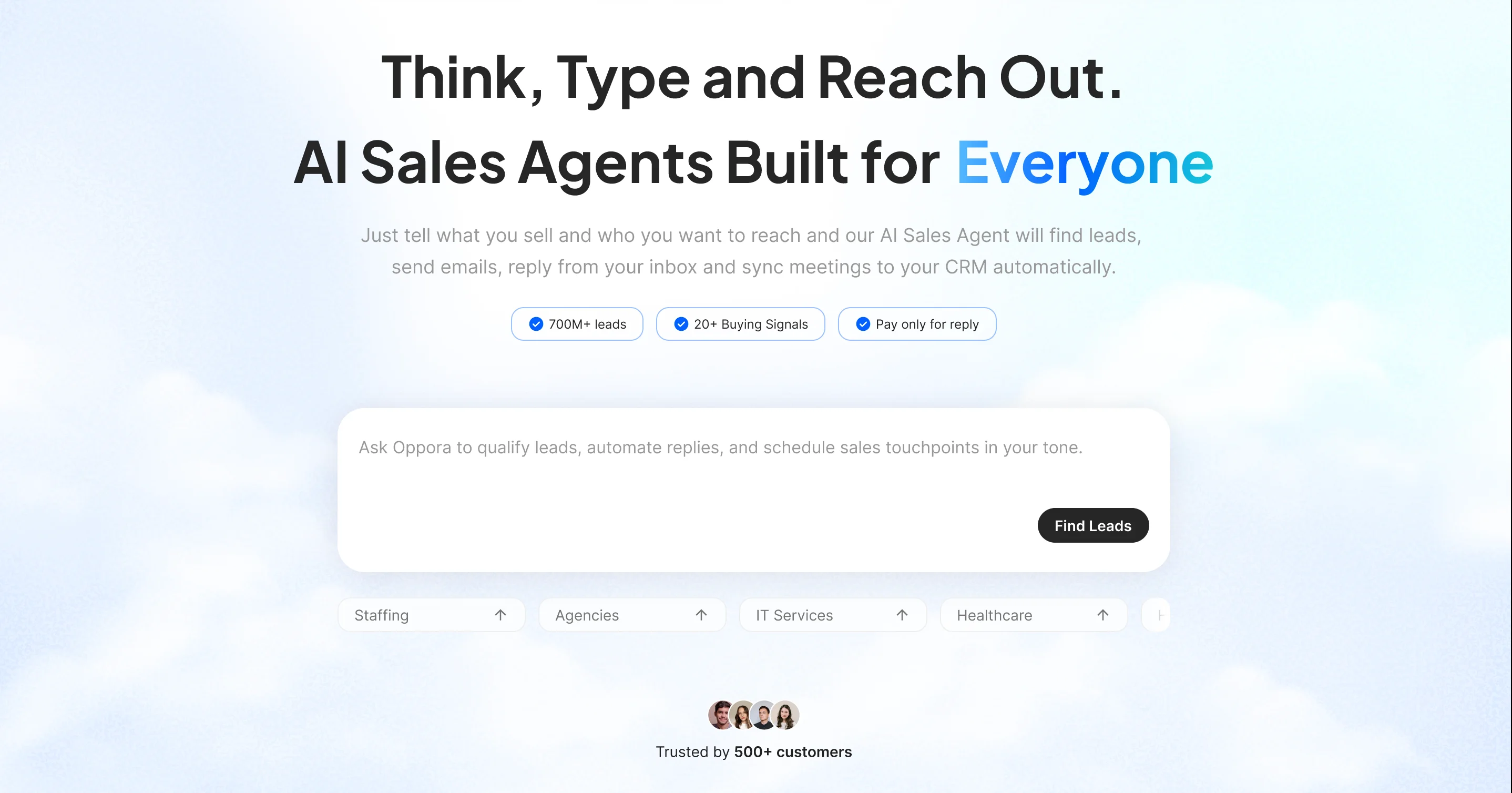
Manual prospecting on LinkedIn is slow. You search, filter, visit profiles, copy data, verify emails, and then finally reach out — only to do it all again tomorrow.
Oppora removes that entire loop.
Instead of stitching together multiple tools, Oppora's AI agents handle the full LinkedIn prospecting workflow in one place for business development teams.
You define who you're targeting, and Oppora takes it from there:
- Captures leads directly from LinkedIn via Chrome extension no manual copying
- Searches LinkedIn in real time with advanced filters — job title, seniority, department, and location
- Filters prospects using 16–24 intent signals like job changes, hiring activity, and recent funding
- Skips already-saved contacts so you never prospect the same person twice
- Scores and qualifies leads with AI before a single message goes out
- Sends automated LinkedIn connection requests at scale — unlimited on paid plans
- Blends LinkedIn and email outreach in one unified workflow
- Enriches every contact using waterfall data sources for maximum accuracy
- Syncs all activity and contacts directly into your CRM automatically
You set the criteria once. Oppora keeps working it — every day, without the grind.
2. Research Target Accounts Before Starting Outreach
Reaching out without research is just noise.
Before you send a single message, spend time understanding the account.
Look at what the company does, how they're growing, what problems they're likely facing, and whether there are any recent triggers — a new product launch, a funding round, or a leadership change — that make your solution relevant right now.
This isn't about over-preparing. It's about making sure your outreach lands with context instead of sounding like every other cold message in their inbox.
A prospect who feels understood responds. One who feels targeted doesn't.
3. Identify Decision-Makers Across the Buying Committee
Here's something most people get wrong — they find one contact and treat it like a win.
But B2B deals rarely come down to a single person. Most buying decisions involve four to six stakeholders across different functions.
The person who replies isn't always the one who signs off.
Map the buying committee before you start:
- The economic buyer — controls the budget
- The end user — lives with the problem daily
- The champion — advocates for you internally
- The blocker — can slow things down if ignored
Getting visibility across all four changes everything.
4. Monitor Buying Signals to Prioritize Opportunities
Not every account on your list is ready to buy right now — and chasing cold accounts wastes time you could spend on warm ones.
Buying signals tell you who's actively moving. A prospect who just got promoted, a company that recently posted five sales roles, or an account that just closed a Series B — these are all indicators that the timing is right.
Prioritize accounts showing real movement. Outreach that meets a prospect at the right moment converts at a completely different rate than outreach that arrives too early.
5. Build Relationships Through Personalized Outreach
The fastest way to get ignored on LinkedIn is to send a generic message the moment someone accepts your connection request.
Personalized outreach isn't just about using someone's first name.
It's about showing you actually looked — referencing something specific about their role, their company, or a piece of content they shared.
That one extra minute of effort is what separates a reply from radio silence.
Lead with value, not your pitch. Ask a relevant question. Share something genuinely useful.
Give the conversation a reason to continue before you ever mention what you sell.
Relationships built this way convert faster and last longer than anything cold volume alone can produce.
Suggested Reading:
How to Send Personalized Emails at Scale Without Spam Flags6. Publish Thought Leadership That Attracts Inbound Leads
Outreach gets you in front of people. Content makes them come to you.
When you consistently publish insight that your target buyers find useful — real perspectives, practical takes, things they can apply — your profile starts working for you even when you're not actively prospecting.
The best thought leadership doesn't feel like marketing. It feels like a conversation worth having.
Think about the questions your buyers ask on sales calls and answer those publicly. That's the content that builds authority.
Posting once a week is enough to stay visible. Consistency matters far more than volume.
7. Engage With Industry Conversations to Increase Visibility
Most people only post on LinkedIn. The ones who grow fastest do something else too — they show up in other people's conversations.
Leaving a thoughtful comment on a post from someone in your target industry does three things at once. It builds familiarity with the person who posted.
It puts your name in front of everyone who reads that thread. And it signals to the algorithm that you're an active, relevant voice worth surfacing.
Engagement is the lowest-effort, highest-leverage habit you can build on LinkedIn.
8. Develop Referral and Strategic Partnership Opportunities
LinkedIn isn't just a place to find buyers — it's where your next referral partner or strategic ally is already active.
Think about who already serves your ideal customer without competing with you.
Agencies, consultants, complementary SaaS tools, industry advisors — these people have built the trust with your audience that takes you months to develop alone.
A well-placed introduction from the right partner can open doors that cold outreach never will.
Start by identifying those relationships on LinkedIn, engage with their content genuinely, and open conversations around shared value — not just what you need.
The best partnerships start as conversations, not pitches.
9. Strengthen Your Network With Consistent Relationship Nurturing
Most people treat LinkedIn connections like a collection — something to grow and then forget.
But a connection that goes cold is a missed opportunity. The people already in your network are often the fastest path to your next deal.
They know you, they've seen your work, and it takes far less effort to re-engage them than to build trust from scratch with someone new.
Simple ways to stay on their radar:
- React or comment on their posts regularly
- Send a short, genuine message when something relevant happens in their world
- Share content they'd find useful without any ask attached
None of this takes more than fifteen minutes a day. But done consistently, it keeps you top of mind when the timing finally is right.
10. Use LinkedIn Events and Communities to Expand Your Reach
LinkedIn events and niche groups give you something cold outreach can't — shared context.
When you attend the same virtual event or participate in the same community as your target buyers, you stop being a stranger.
You become someone they've already seen, already heard from, already have a feel for.
That familiarity changes how your outreach lands entirely.
Show up consistently. Ask questions. Add something useful to the conversation. You don't need to be the loudest voice in the room — just a recognizable, credible one.
Familiarity does what a cold connection request never can.
11. Combine LinkedIn, Email, and CRM for Consistent Follow-Ups
One touchpoint is rarely enough. Most deals happen after the fifth or sixth interaction — across different channels, at different moments.
LinkedIn warms the relationship. Email creates a more direct line. Your CRM makes sure nothing slips through the gaps.
When these three work together, your follow-up stops feeling like chasing and starts feeling like a natural continuation of the conversation.
The key is keeping every channel informed by the same context — what the prospect has seen, what they've responded to, and where they are in the conversation.
That's what turns scattered outreach into a consistent, repeatable pipeline.
Suggested Reading:
How to Combine LinkedIn Outreach with Email Campaigns12. Measure Business Development Performance and Optimize Your Strategy
You can't improve what you don't track.
The metrics that actually matter for LinkedIn business development aren't vanity numbers like follower count or post impressions. Focus on what moves the pipeline:
- Connection acceptance rate — are the right people letting you in?
- Response rate on outreach — is your messaging resonating?
- Conversations started vs. meetings booked — where is the drop-off?
- Pipeline generated from LinkedIn — what's the actual revenue impact?
Review these weekly. Small adjustments to messaging or targeting, made consistently, compound into significantly better results over time.
How to Turn LinkedIn Business Development into Consistent Pipeline
Tactics get you started. Systems keep the pipeline full.
Most people hit a wall with LinkedIn business development not because the tactics stop working, but because there's no consistent process underneath them.
This section is about building that process.
Prioritize Prospects Showing Real Buying Intent
Not every prospect deserves equal attention right now.
Some accounts are actively researching solutions — they're engaging with your content, visiting your profile, posting about challenges your product solves, or showing external signals like hiring sprees and recent funding.
These are the ones worth prioritizing today.
Others are good fits but aren't there yet. They belong in a nurture track, not your active pipeline.
Knowing the difference is what separates efficient business development from exhausting busy work.
Personalize Follow-Ups Based on Engagement and Timing
A follow-up that ignores context is just another cold message.
When someone likes your post, that's a door opening.
When a prospect replies to your connection message, the next step should reflect that exchange — not a templated sequence that was going to fire regardless.
Pay attention to what each prospect has engaged with and let that shape how you follow up.
The right message at the right moment converts. The wrong message at the wrong time quietly ends the conversation.
Measure Pipeline Instead of Connection Requests
Activity metrics feel productive. Pipeline metrics tell the truth.
Stop measuring how many connections you sent this week. Start measuring:
- Qualified conversations started
- Meetings booked from LinkedIn outreach
- Deals influenced by LinkedIn touchpoints
- Revenue generated from the channel
These are the numbers worth optimizing. Everything else is just noise dressed up as progress.
Build a Repeatable Weekly Business Development Workflow
Consistency beats intensity every time on LinkedIn.
You don't need to spend hours daily — you need a workflow you can actually stick to. Block focused time each week for prospecting, outreach, content, and follow-ups.
Treat it like any other revenue-generating activity.
A simple routine executed every week will always outperform a perfect strategy executed occasionally.
Common Mistakes That Limit LinkedIn Business Development Results
Most LinkedIn business development efforts don't fail because of bad tactics. They fail because of avoidable habits that quietly drain results over time.
Here are the five most common ones — and what to do instead.
Relying on a Single Decision-Maker
This one kills more deals than people realize.
You build a great relationship with one contact, the conversation is going well, and then they go quiet.
They leave the company, get pulled into another priority, or simply don't have the authority to move things forward alone.
When your entire opportunity rests on one person, you have a fragile pipeline — not a real one.
Map the buying committee early and build relationships across multiple stakeholders from the start.
Pitching Before Establishing Credibility
The moment someone accepts your connection request is not an invitation to pitch.
Yet this is exactly what most people do — and it's the fastest way to get ignored, removed, or flagged as spam.
Buyers on LinkedIn are sharp. They can tell within two sentences whether you're genuinely interested in them or just running a numbers game.
Lead with value. Build familiarity first.
The pitch lands better — and gets a far warmer reception — when the person on the other end already respects your perspective.
Ignoring Valuable Buying Signals
LinkedIn is full of signals that tell you exactly when someone is ready to engage. Most people walk right past them.
A prospect who just changed jobs is re-evaluating their tech stack. A company posting multiple roles in sales or marketing is likely scaling fast.
An executive engaging with content about a problem your product solves is telling you something important.
These signals don't announce themselves loudly — but when you know what to look for, they make your outreach dramatically more timely and relevant.
Treating Content and Outreach as Separate Activities
Content and outreach aren't two different strategies — they're two sides of the same one.
When a prospect has already seen your posts, read your perspective, and recognized your name, your outreach message lands in a completely different context.
You're not a stranger anymore.
The two should reinforce each other. Let your content warm the audience. Let your outreach open the conversation. Together, they build trust at a pace neither can match alone.
Depending Entirely on Manual Prospecting
Manual prospecting has a hard ceiling — your time.
You can only search so many profiles, send so many messages, and follow up on so many conversations before the process breaks down.
The best LinkedIn business development operations today layer in automation for the repetitive parts:
- Finding and filtering qualified prospects at scale
- Sending connection requests and follow-up sequences automatically
- Enriching contacts with accurate data before outreach begins
- Tracking every conversation without manual CRM updates
This frees you to focus on what automation can't replace — the judgment, the relationship, and the conversation that actually closes the deal.
Conclusion
LinkedIn business development isn't about being the most active person on the platform. It's about being the most intentional one.
The tactics in this guide work — but only when they're built on the right foundation, executed consistently, and supported by a system that keeps the pipeline moving without burning you out.
That's exactly what Oppora is built for.
If you're serious about turning LinkedIn into a predictable revenue channel, Oppora handles the prospecting, enrichment, and outreach so you can focus on the conversations that actually close.
The pipeline won't build itself — but with the right system, it gets pretty close.
Frequently Asked Questions (FAQs)
What is the ideal number of LinkedIn connection requests to send per day without risking account restrictions?
LinkedIn doesn't publish an official limit, but staying between 20–30 personalized connection requests per day is generally considered safe. Sending too many too fast — especially with low acceptance rates — can trigger restrictions. Quality targeting and personalized notes significantly improve acceptance rates and keep your account healthy.
Is LinkedIn Sales Navigator worth the investment for business development?
Sales Navigator gives you advanced search filters, lead tracking, and deeper account insights that LinkedIn's free version simply can't match. If you're doing serious business development with high-volume prospecting or enterprise accounts, it pays for itself quickly. For smaller pipelines, the free version combined with a strong outreach system can still deliver solid results.
How long does it typically take to see real business development results from LinkedIn?
Most people start seeing meaningful conversations within four to six weeks of consistent effort. Actual pipeline and revenue usually follow in the two to three month range. LinkedIn rewards consistency over intensity — showing up regularly with valuable content and targeted outreach compounds faster than sporadic bursts of activity.
Should LinkedIn business development be handled by sales, marketing, or both?
Both — but with clear ownership. Sales should own direct outreach and relationship-building. Marketing should drive content, brand visibility, and inbound lead generation. When both teams align on messaging and target accounts, LinkedIn becomes significantly more effective than either function could achieve working independently.
Can LinkedIn business development work for service-based businesses, not just SaaS or tech companies?
Absolutely. Consultants, agencies, recruiters, and professional service firms often see stronger LinkedIn results than tech companies because trust and relationships matter even more in service-based sales. The same principles apply — optimize your profile, target the right accounts, lead with value, and build relationships before pitching.