9 Best LinkedIn Job Scraper Extension to Extract Jobs Along with HRs
linkedin job scraper extension

LinkedIn is full of job openings, but the real work starts after you find them.
You still need the company name, role details, location, job link, and ideally the recruiter or hiring manager behind the post.
Doing that manually can eat hours, especially if you are sourcing jobs for staffing, recruiting, sales, or lead generation.
A LinkedIn job scraper extension helps you collect this data faster and move it into CSV, Google Sheets, or your CRM.
But not every scraper can find HR contacts, verified emails, or phone numbers.
In this guide, you’ll learn:
- What a LinkedIn job scraper extension does
- Which tools extract jobs and recruiter contacts
- How to choose the right scraper for your workflow
What Is a LinkedIn Job Scraper Extension?
A LinkedIn job scraper extension is a browser tool that helps you collect job posting data from LinkedIn without copying everything manually.
Most commonly, it works as a Chrome extension.
You open LinkedIn jobs, run the extension, and it extracts useful details such as:
- Job title
- Company name
- Location
- Job link
- Salary, if LinkedIn shows it
- Job description
- Recruiter or hiring manager, if available
Some tools only collect the job listing itself.
More advanced tools go a step further and help you find the HR person, recruiter, or hiring manager connected to that job.
That is where the tool becomes more useful for recruiters, staffing firms, agencies, and sales teams.
A simple way to visualize it is:
LinkedIn job post → scraper extension → clean data → CSV, Google Sheets, or CRM
Instead of jumping between tabs, copying job links, and searching for the right contact separately, you get structured data you can use for outreach, tracking, or workflow automation.
9 Best LinkedIn Job Scraper Extensions Compared
Not every LinkedIn job scraper works the same way.
Some tools only extract job posts. Some help you export data to CSV or Google Sheets. A few go further and help you find the recruiter, HR person, or decision-maker behind the job.
So before you choose one, look at one important question:
Does the tool provide HR contact along with jobs?
In each tool below, we mention this in a simple Yes / No / Partial format so you can quickly see which tool supports direct recruiter outreach.
1. Oppora.ai ⭐ — Best LinkedIn Job Scraper That Turns Jobs into Outreach Opportunities
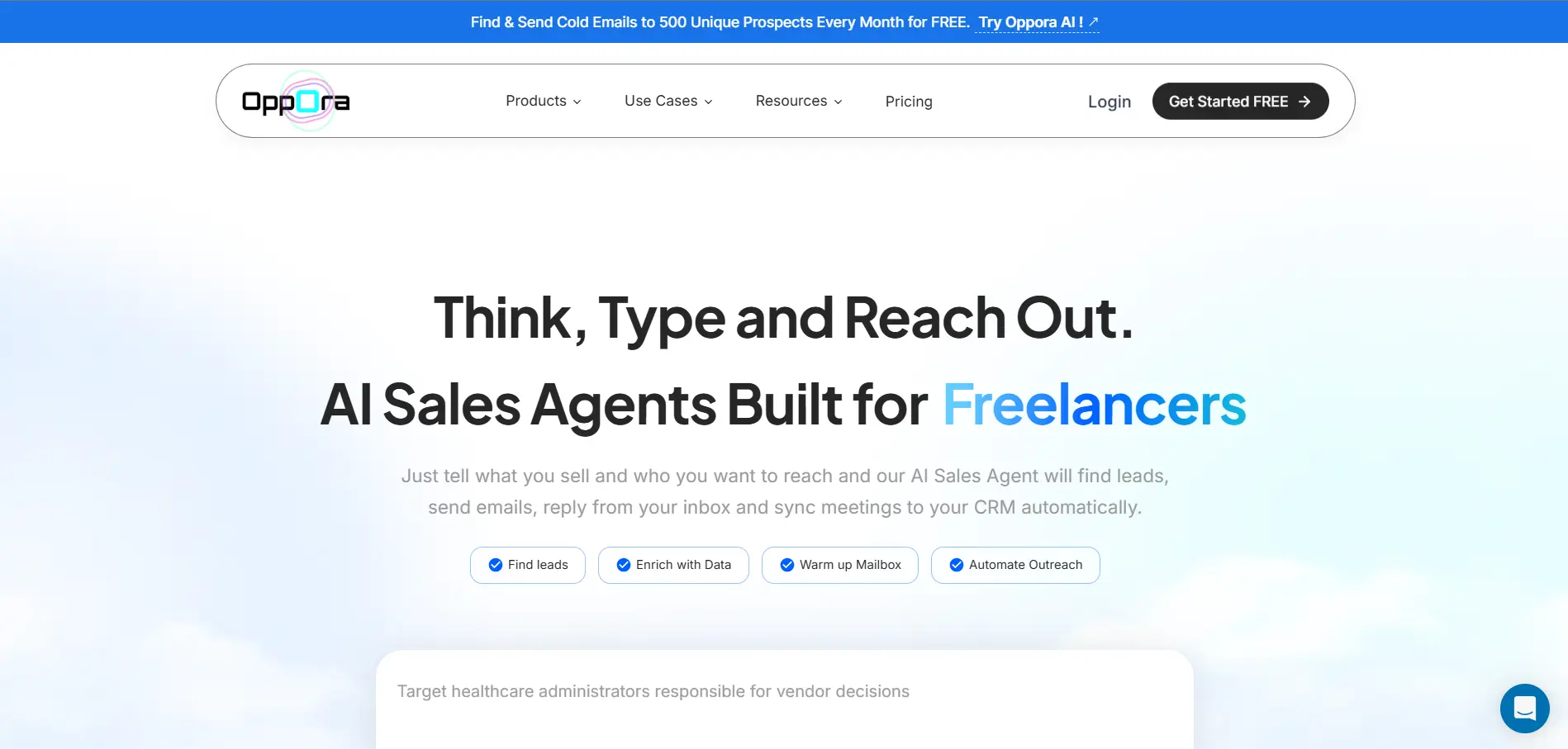
Oppora.ai is a strong fit when you do not want LinkedIn job data to stop at a spreadsheet.
It helps you extract LinkedIn jobs and then connect those job openings with the right HRs, recruiters, and decision-makers.
So instead of only knowing which company is hiring, you can also find who to contact next.
What makes Oppora.ai different is that you do not always need to browse LinkedIn manually.
Using Oppora's company finder, lead finder, and workflow automation, you can search for recently posted jobs directly inside the platform.
Simply define the role, company type, industry, or hiring criteria, and Oppora.ai can pull job opportunities along with hiring details without you having to visit LinkedIn job pages one by one.
This makes Oppora.ai useful for recruiters, staffing agencies, sales teams, founders, and B2B teams that use job openings as buying signals.
Best for: Recruiters, sales teams, agencies, and founders who want to turn LinkedIn job listings into outreach opportunities.
Key features:
- LinkedIn job scraping: Extract job titles, companies, locations, and job links without manual copying.
- Recruiter and HR discovery: Find HRs, recruiters, and hiring managers connected to hiring companies.
- Verified email enrichment: Add business emails to job data so you can reach out directly.
- Phone number discovery: Find phone numbers where available for faster recruiter or sales outreach.
- 1B+ lead database: Enrich job-related company data with relevant people and contact details.
- 60M+ company database: Find more context around hiring companies and target accounts.
- Chrome extension: Capture LinkedIn leads and prospects directly from your browser.
- AI prospect finder: Let AI identify the best-fit contacts based on your target audience.
- CSV, CRM, and workflow export: Move enriched data into sheets, CRMs, or automated workflows.
- Cold email integration: Send outreach without switching between multiple disconnected tools.
- Workflow automation: Automate scraping, enrichment, outreach, replies, and CRM syncing.
Provides HR contact along with jobs: Yes
Pros:
- Combines LinkedIn job scraping and HR enrichment in one workflow
- Helps you reach the right person behind each job opening
- Supports outreach, replies, and CRM sync from one place
Cons:
- Advanced workflows may need onboarding for new users
Pricing: Oppora.ai offers a free plan and three paid tiers.
- Free: $0/month with 50 recipients, 1B+ leads, and 3 AI workflows.
- Pro: $34/month with 10,000 data credits and 5,000 recipients.
- Max: $79/month with 25,000 data credits and unlimited recipients.
- Enterprise: Starts at $499/month with custom credits and 50,000+ contacts.
- Yearly billing: Save 17% when you choose the yearly plan.
2. Apify LinkedIn Jobs Scraper
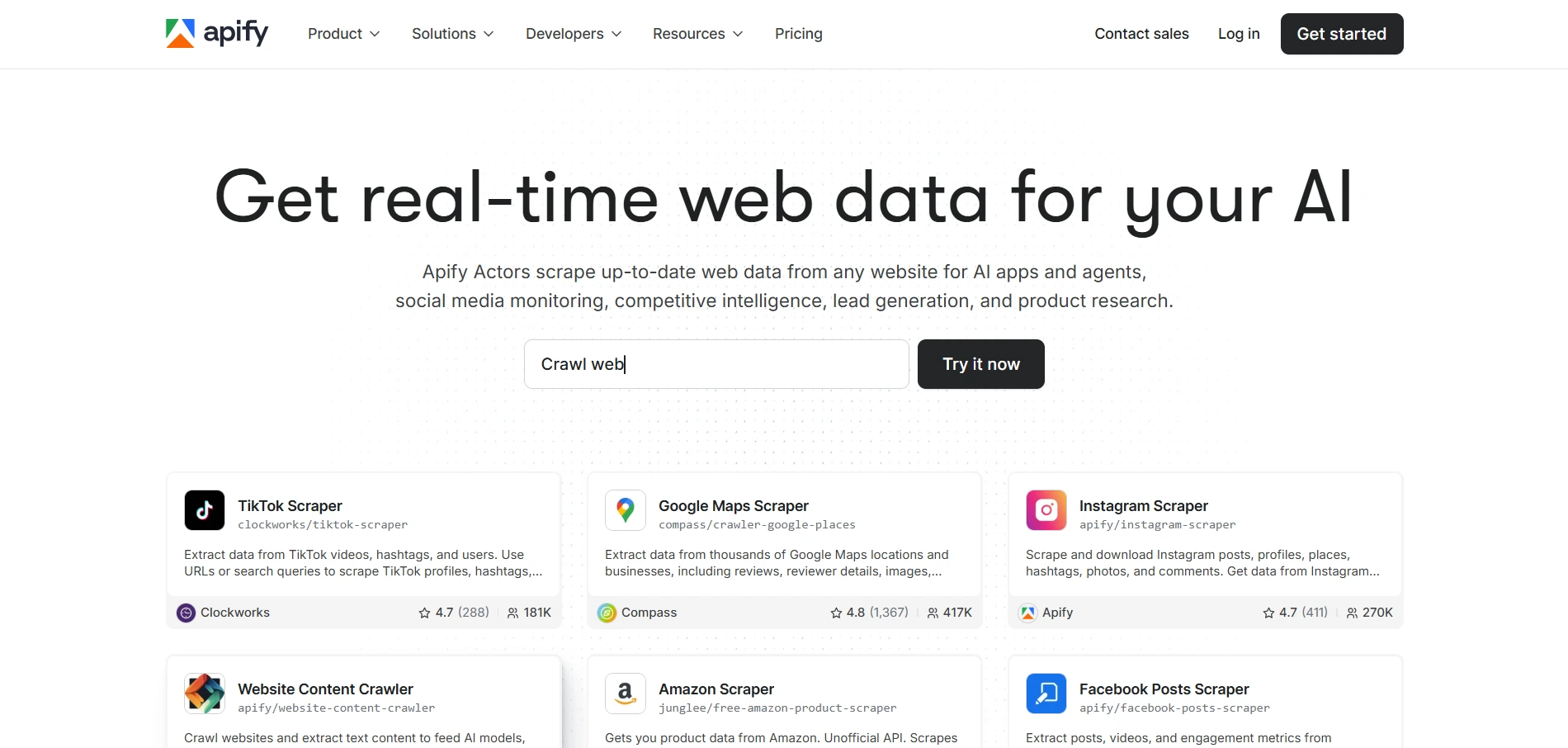
Apify LinkedIn Jobs Scraper is a better fit when you mainly need raw job data at scale.
It is more developer-focused than a simple Chrome extension, so it works well for teams that want to extract LinkedIn job listings and send that data into their own tools, databases, or workflows.
You can use it to collect job titles, company names, locations, job links, and other available job details in a structured format.
Best for: Developers, data teams, and companies that need bulk LinkedIn job data extraction.
Key features:
- LinkedIn job scraping API: Extract LinkedIn job listings using API-based scraping workflows.
- Bulk job extraction: Collect many job posts at once instead of saving listings manually.
- Structured data output: Export job data in formats like JSON or CSV for easier processing.
- Custom workflows: Connect scraped job data with your own tools, dashboards, or databases.
- Scalable scraping setup: Useful for teams that need larger job datasets regularly.
Provides HR contact along with jobs: No
Pros:
- Handles large-scale job extraction well
- Flexible for technical and data-heavy workflows
- Good option when you only need structured job data
Cons:
- Does not provide HR, recruiter, or hiring manager contacts
- Requires more technical setup than a normal Chrome extension
- Not built for direct recruiter outreach
Pricing: Apify usually follows usage-based pricing.
- Starter use: Cost depends on scraping volume and actor usage.
- Scaling: Pricing increases as you run more scraping jobs.
- Best fit: Teams comfortable paying based on data usage.
3. Browse AI
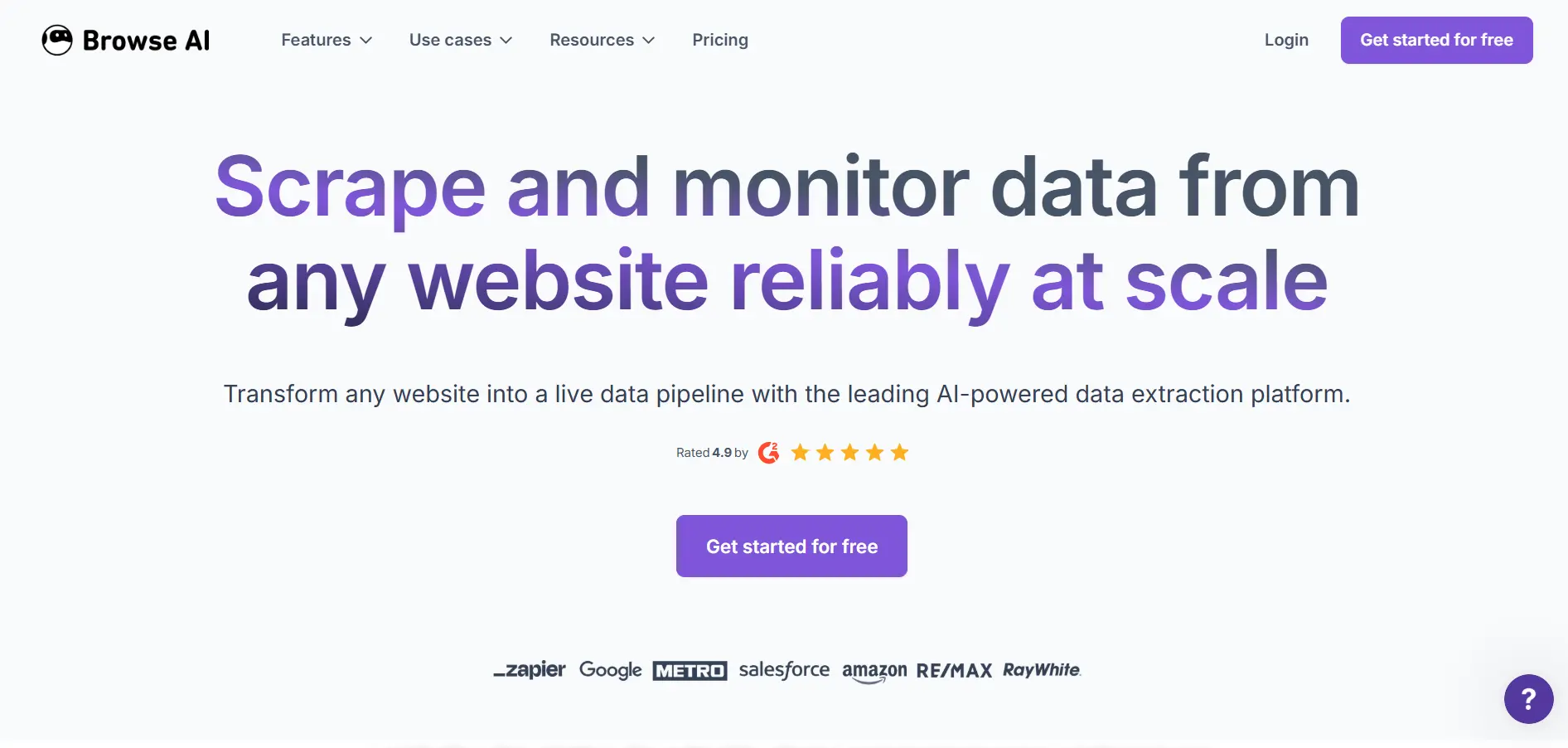
Browse AI is a good option when you want to scrape LinkedIn job data without writing code.
It is a no-code scraping tool that lets you create simple workflows for collecting job listings, tracking new openings, and exporting the data into a usable format.
This makes it useful when you want job data for research, hiring trends, or basic lead tracking, but do not need recruiter emails or HR contact enrichment.
Best for: Non-technical users who want simple LinkedIn job extraction and scheduled tracking.
Key features:
- No-code job scraping: Extract LinkedIn job listings without building a scraper manually.
- Job data extraction: Collect job titles, company names, locations, and job links.
- Scheduled monitoring: Track job listings regularly without checking LinkedIn every day.
- Spreadsheet export: Move scraped job data into CSV, Excel, or Google Sheets.
- Simple workflow setup: Create scraping tasks through a visual interface instead of code.
Provides HR contact along with jobs: No
Pros:
- Easy for beginners and non-technical users
- Useful for tracking job openings over time
- Good for basic job data collection
Cons:
- Does not provide HR or recruiter contacts
- No verified email or phone enrichment
- Limited if you want outreach automation after scraping
Pricing: Browse AI offers free and paid plans.
- Free: Good for testing simple scraping workflows.
- Paid plans: Better for higher usage, automation, and scheduled jobs.
- Best fit: Users who need job tracking, not HR outreach.
4. BrowserAct
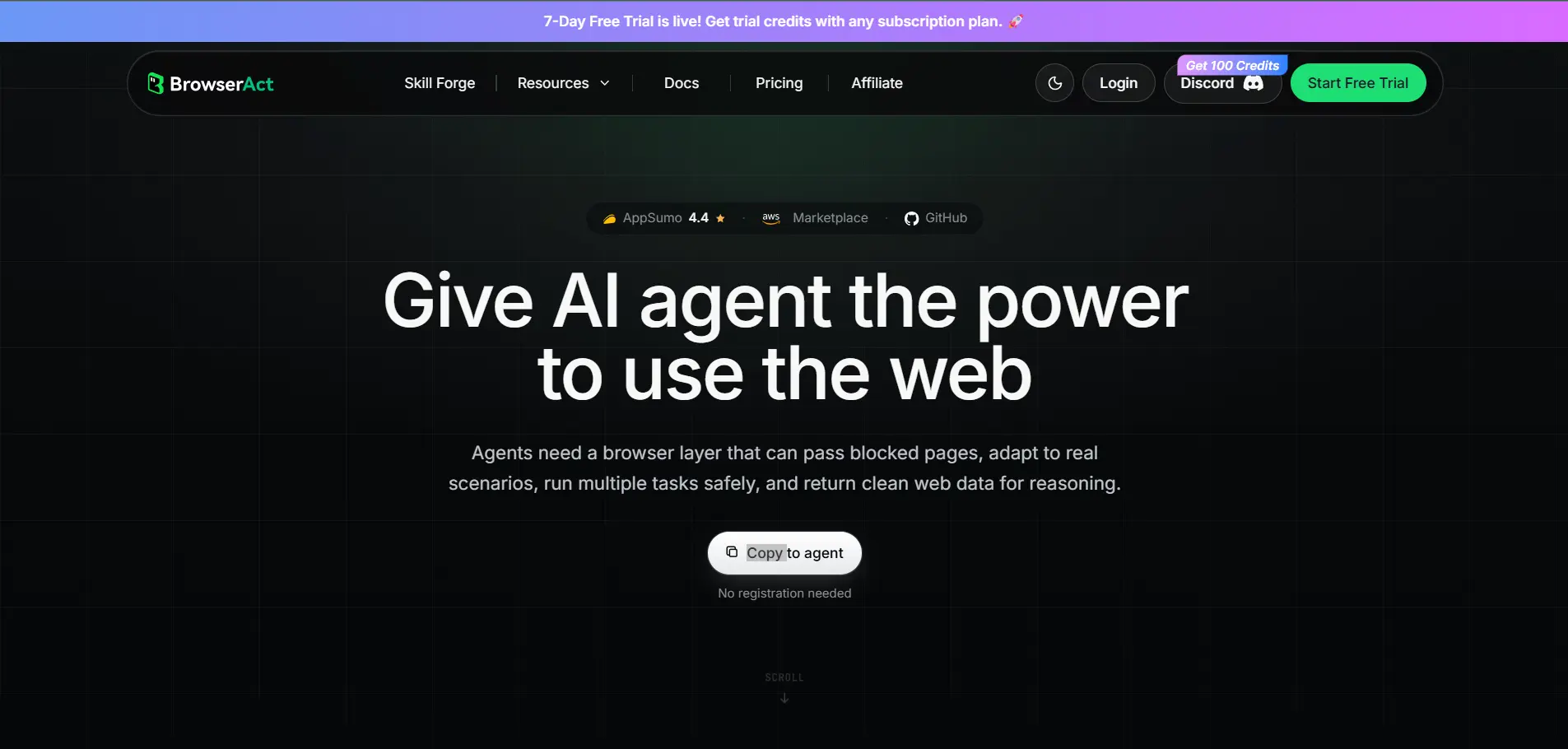
BrowserAct is useful when you want a lightweight way to extract structured LinkedIn job data.
It works more like a browser automation tool, where you can create workflows to collect job details from LinkedIn and organize them into a cleaner format. This makes it helpful for users who want basic job scraping without building a technical scraping system.
However, it is mainly focused on extracting data from pages, not enriching that data with recruiter or HR contacts.
Best for: Users who need simple LinkedIn job scraping automation without advanced outreach features.
Key features:
- Web scraping automation: Extract job data from LinkedIn pages using automated browser workflows.
- Structured job extraction: Collect job titles, company names, locations, and job links.
- Custom workflows: Build scraping flows based on the job data you want to capture.
- Data export: Move extracted job data into a usable format for tracking or analysis.
- Lightweight setup: Useful for basic scraping tasks without heavy technical configuration.
Provides HR contact along with jobs: No
Pros:
- Simple interface for basic scraping needs
- Flexible enough for custom job data workflows
- Good for collecting structured LinkedIn job information
Cons:
- Does not provide recruiter or HR contact data
- No verified email or phone enrichment
- Not built for outreach automation after scraping
Pricing: BrowserAct follows a subscription-based pricing model.
- Paid plans: Best for users who need repeated scraping workflows.
- Scaling: Higher usage may require a higher plan.
- Best fit: Users who need simple job extraction, not contact enrichment.
5. Magical
Magical is useful when you want to speed up repetitive work, but it is not a true LinkedIn job scraper extension.
It works more like a productivity tool that helps you move data between web pages, forms, spreadsheets, and CRMs. So if you are manually copying job details from LinkedIn into a sheet, Magical can make that process faster.
But it does not automatically scrape LinkedIn jobs, find HR contacts, or enrich job listings with emails and phone numbers.
Best for: Recruiters and sales teams that want to reduce manual copy-paste work.
Key features:
- Autofill support: Fill forms, spreadsheets, and CRMs faster using saved shortcuts.
- Data transfer: Move information from LinkedIn or other pages into your tools.
- Chrome extension: Use it directly inside your browser while working online.
- Text expansion: Create shortcuts for repeated messages, notes, or outreach snippets.
- Workflow support: Speed up repetitive admin tasks across recruiting or sales workflows.
Provides HR contact along with jobs: No
Pros:
- Easy to use for daily productivity tasks
- Helpful for reducing repetitive copy-paste work
- Works across different web apps and tools
Cons:
- Not a dedicated LinkedIn job scraper
- Does not extract HR or recruiter contacts
- No verified email or phone enrichment
Pricing: Magical follows a freemium pricing model.
- Free: Good for basic shortcuts and simple productivity use.
- Paid plans: Better for teams that need more workflow automation.
- Best fit: Users who want productivity support, not job scraping.
6. Bright Data
Bright Data is a better fit when you need large-scale LinkedIn job data, not a simple recruiter outreach workflow.
It gives teams access to LinkedIn job scraping through APIs, no-code scrapers, and ready-made datasets. You can collect public job data like job titles, company names, locations, job descriptions, job IDs, and application links at scale.
That makes it useful for enterprise teams, data teams, and companies that need job market intelligence.
Best for: Enterprise teams, data teams, and companies that need high-volume job data extraction.
Key features:
- Large-scale job scraping: Extract LinkedIn job data in bulk for research or analytics.
- LinkedIn Jobs Scraper API: Pull public job data through API-based workflows.
- No-code scraper option: Use scraper tools without building everything from scratch.
- Structured datasets: Access ready-made LinkedIn jobs datasets when needed.
- Multiple export formats: Receive data in formats like CSV, JSON, NDJSON, or Parquet.
- Scalable infrastructure: Handle larger data needs without managing proxies manually.
Provides HR contact along with jobs: No
Pros:
- Strong option for enterprise-level job data extraction
- Supports APIs, datasets, and no-code scraping workflows
- Useful when you need large volumes of structured job data
Cons:
- Does not focus on HR or recruiter contact enrichment
- More complex than a normal Chrome extension
- Better suited for data teams than individual recruiters
Pricing: Bright Data uses usage-based and dataset pricing.
- Free trial: Available for testing LinkedIn job scraping.
- Pay-as-you-go: Pricing depends on successfully delivered results.
- Datasets: LinkedIn jobs datasets are available in custom sizes.
- Best fit: Teams that need large-scale data, not basic scraping.
7. PhantomBuster
PhantomBuster is useful when you want LinkedIn scraping and automation in the same workflow.
It can help you extract LinkedIn job data and connect that data with other automated actions, such as profile scraping, list building, and outreach steps. This makes it more flexible than a basic scraper.
However, HR contact discovery is not always direct. You may need extra steps, additional automation, or enrichment tools to find recruiter emails or hiring manager details.
Best for: Growth teams, recruiters, and sales users who want scraping plus automation.
Key features:
- LinkedIn job scraping: Extract job listings, company names, locations, and job links from LinkedIn.
- Workflow automation: Build automated sequences that connect scraping with follow-up actions.
- Profile scraping: Pull LinkedIn profile data when you need more context around people or companies.
- Data export: Send extracted data to CSV, Google Sheets, or other connected tools.
- Outreach support: Combine scraping with LinkedIn or email outreach workflows using connected automations.
- Integration options: Connect scraped data with CRMs, spreadsheets, or other sales tools.
- Scheduled runs: Automate scraping tasks so you do not have to repeat the same steps manually.
Provides HR contact along with jobs: Partial
Pros:
- Strong automation ecosystem for LinkedIn workflows
- Useful when you want to combine scraping with outreach steps
- Flexible enough for custom lead generation use cases
Cons:
- HR contact accuracy can vary depending on the workflow
- Email enrichment may require extra tools or steps
- Setup can feel complex for beginners
Pricing: PhantomBuster follows a subscription-based pricing model.
- Paid plans: Best for users who need recurring automation workflows.
- Usage limits: Plan value depends on execution time and automation volume.
- Best fit: Users who want scraping and automation, not only job extraction.
8. Octoparse
Octoparse is a good choice when you want a visual LinkedIn job scraper without writing code.
It lets you build scraping workflows through a point-and-click interface, so you can collect LinkedIn job listings and organize them into a structured format. This makes it useful for job tracking, hiring research, competitor hiring analysis, or simple lead list building.
But Octoparse mainly focuses on data extraction. It does not provide HR contacts, recruiter emails, or phone numbers along with the job listings.
Best for: No-code users who want to scrape LinkedIn jobs into spreadsheets.
Key features:
- Visual scraper builder: Create scraping workflows without coding or technical setup.
- LinkedIn job templates: Use prebuilt templates to extract job listings faster.
- Job data extraction: Collect job titles, companies, locations, job links, and descriptions.
- Cloud scraping: Run scraping tasks in the cloud without keeping your device active.
- Spreadsheet export: Export job data to CSV, Excel, or Google Sheets for tracking.
- Scheduled scraping: Run repeat jobs automatically to monitor new job listings.
- Bulk extraction: Collect multiple job listings at once instead of copying them manually.
Provides HR contact along with jobs: No
Pros:
- No coding required
- Easy setup for basic job scraping
- Good export options for spreadsheet users
Cons:
- Does not provide HR or recruiter contacts
- No verified email or phone enrichment
- Not built for outreach automation after scraping
Pricing: Octoparse offers free and paid plans.
- Free: Good for testing small scraping tasks.
- Paid plans: Better for cloud scraping, scheduling, and higher usage.
- Best fit: Users who need job data extraction, not HR enrichment.
9. SalesRobot
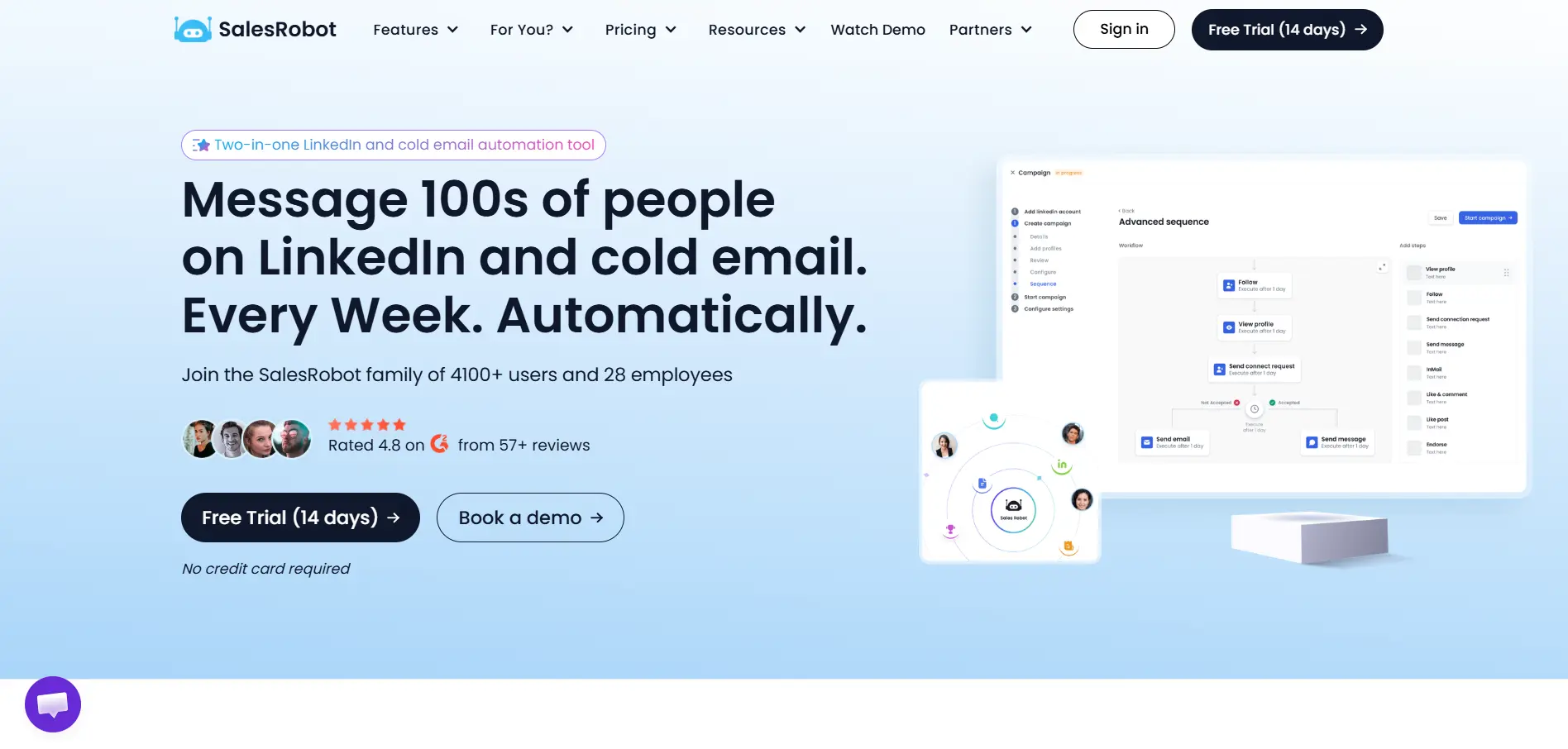
SalesRobot is useful when your main goal is LinkedIn outreach, not LinkedIn job scraping.
It helps you automate LinkedIn messages, follow-ups, and outreach campaigns. So if you already have a list of recruiters, HRs, or hiring managers, SalesRobot can help you contact them more efficiently.
But it does not scrape LinkedIn jobs or extract HR contacts from job listings. You would need another tool to collect job data first.
Best for: Sales teams, recruiters, and founders who already have leads and want to automate LinkedIn outreach.
Key features:
- LinkedIn messaging automation: Send connection requests, messages, and follow-ups at scale.
- Campaign sequences: Build step-by-step outreach flows for prospects.
- Follow-up automation: Automatically continue conversations when prospects do not reply.
- Personalization options: Customize messages so outreach feels more relevant.
- CRM integration: Manage outreach activity and lead records in connected workflows.
Provides HR contact along with jobs: No
Pros:
- Strong LinkedIn outreach features
- Useful for follow-up campaigns
- Helps automate repetitive prospecting tasks
Cons:
- Does not scrape LinkedIn job listings
- Does not extract HR or recruiter contacts from jobs
- Needs lead data from another source before outreach
Pricing: SalesRobot follows a subscription-based pricing model.
- Paid plans: Best for users running regular LinkedIn outreach.
- Scaling: Higher outreach needs may require a higher plan.
- Best fit: Users who need outreach automation, not job scraping.
Quick Comparison Table
By now, you can see the main difference clearly.
Some tools only help you extract LinkedIn jobs. Others help you go further by finding the HR, recruiter, or hiring manager behind that job.
Here is a quick side-by-side comparison.
If you only need job data, tools like Apify, Browse AI, BrowserAct, Bright Data, and Octoparse can work well.
But if your goal is to extract LinkedIn jobs and contact the right HR person afterward, Oppora.ai gives you the strongest workflow because it combines job scraping, contact enrichment, email discovery, and outreach in one place.
Suggested Reading:
11 Best LinkedIn Email Scrapers With Bulk Export & EnrichmentKey Factors to Look for in a LinkedIn Job Scraper Extension
Once you compare the tools, the next step is knowing what actually matters.
A basic LinkedIn job scraper can help you collect job posts. But if you want to use that data for hiring, recruiting, staffing, or lead generation, you need a tool that supports the full workflow.
Accurate Job Data Extraction
Your scraper should capture the core job details clearly.
Look for a tool that can extract:
- Job title
- Company name
- Location
- Job description
- LinkedIn job link
- Application link
- Salary, if available
- Posting date, if available
It should also support bulk extraction, so you can scrape multiple job listings at once instead of opening every post manually.
HR or Recruiter Contact Availability
Job data alone tells you who is hiring.
But HR and recruiter data tells you who to contact.
A stronger LinkedIn job scraper extension should help you identify:
- Recruiters
- HR managers
- Hiring managers
- Talent acquisition teams
- Relevant decision-makers
This is useful when you want to network, pitch staffing services, contact hiring teams, or start direct outreach.
Verified Email & Phone Enrichment
Some tools only collect names and company details.
That still leaves you doing manual research.
A better tool should help you find:
- Verified business emails
- Phone numbers, where available
- Recruiter contact details
- Company-level contact data
This saves time because you do not have to jump between LinkedIn, Google, company websites, and email finder tools.
Suggested Reading:
10 Best Data Enrichment Companies That Give You Free CreditsExport & Integration Options
Your scraped data should be easy to move and use.
Look for export options like:
- CSV
- Excel
- Google Sheets
- CRM export
- API access
- Workflow automation tools
Clean export options make follow-up easier, especially when you are managing hundreds of jobs or recruiter contacts.
Ease of Use & Automation
The right tool should match how you work.
Some users prefer a Chrome extension because it works directly inside the browser. Others prefer cloud-based scrapers because they can run scheduled jobs in the background.
Look for features like:
- No-code setup
- Chrome extension support
- Scheduled scraping
- Bulk extraction
- Workflow automation
- CRM or outreach integration
The less manual work you do, the easier it becomes to scale your process.
Pricing & Scalability
Finally, check whether the tool can grow with you.
Before choosing, compare:
- Free vs. paid plans
- Monthly scraping limits
- Credit usage
- Export limits
- Contact enrichment limits
- Outreach limits
- Team or agency scalability
A simple free scraper may be enough for light job tracking. But if you are a recruiter, agency, or sales team, you need something that can handle larger job lists, richer contact data, and repeatable outreach workflows.
Conclusion
Choosing the best LinkedIn job scraper extension depends on what you want to do after collecting the jobs.
If you only need job titles, company names, locations, and links, a basic scraper can work. Tools like Browse AI, Octoparse, Apify, or Bright Data can help you collect job data and export it into a sheet.
But if your goal is outreach, you need more than scraped jobs.
You need to know who is hiring, who manages recruiting, and how to contact them. That is where HR contacts, verified emails, phone numbers, CRM export, and automation become important.
That is why Oppora.ai is the strongest choice for recruiters, sales teams, agencies, and founders who want to turn LinkedIn job listings into real conversations.
It helps you extract jobs, find the right HR contacts, and start outreach from one workflow.
Try Oppora.ai if you want to turn LinkedIn job data into qualified outreach opportunities.
FAQs
What is the best LinkedIn job scraper extension?
Oppora.ai is the best choice if you want to extract LinkedIn jobs and also find HR contacts, recruiter emails, phone numbers, and outreach options in one workflow. If you only need raw job data, tools like Browse AI, Octoparse, or Apify can also work.
Can I export LinkedIn jobs to Excel?
Yes, many LinkedIn job scraper extensions let you export job data to CSV or Excel, including job title, company name, location, job link, job description, and other available details.
Can I scrape recruiter emails from LinkedIn jobs?
Most basic scrapers cannot scrape recruiter emails directly. You need a tool with contact enrichment, like Oppora.ai, to find HR or recruiter emails connected to job openings.
Are LinkedIn scraping extensions safe?
LinkedIn scraping extensions can be safe when used responsibly. You should avoid aggressive scraping, respect platform rules, and use collected data only for legitimate recruiting, sales, or business outreach.
Can I automate recruiter outreach after scraping jobs?
Yes, but only if your tool supports contact enrichment and outreach automation. Oppora.ai is useful here because it helps you extract jobs, find HR contacts, enrich emails, and start outreach from one workflow.